


What's Happening?
A consortium of renewable energy experts and stakeholders, including Climate Emerge Innovation Development (CEID) Hub, Celloop, Decibels, and Thinkclock, has completed a training program for over 1,000 youths and women in Nigeria. The initiative, sponsored
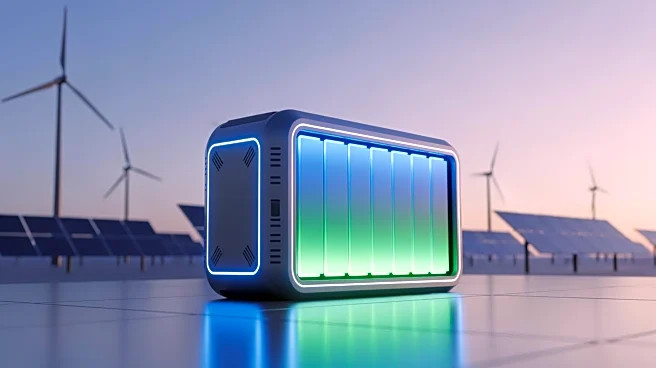
by Innovate UK under the Zero Emission Generator project, focused on the local manufacturing of lithium-ion batteries. This training aims to address Nigeria's energy generation challenges by building local expertise in clean energy technology. Participants received hands-on experience in assembling lithium-ion batteries, which are commonly used in solar systems and electronic devices. The program also covered safety, energy storage systems, and basic fault detection and repair. The initiative seeks to empower young people and women, creating employment opportunities and encouraging innovation in battery technology and circular economy practices.
Why It's Important?
This training program is significant as it addresses the growing demand for renewable energy solutions in Nigeria, a country facing energy generation challenges. By equipping youths and women with skills in lithium-ion battery manufacturing, the initiative not only fosters local expertise but also promotes economic growth and job creation. The program supports Nigeria's transition towards sustainable energy solutions, reducing reliance on imported technologies. Additionally, it encourages the development of green entrepreneurs and climate leaders, contributing to the country's sustainable development goals. The focus on battery recycling and circular economy practices further highlights the environmental benefits of this initiative.
What's Next?
The consortium plans to continue supporting participants with opportunities for advanced training abroad, enhancing their skills and career prospects in the renewable energy sector. There is a call for the Nigerian government to implement policies that support the renewable energy industry, fund collaborative projects, and enable the country to become a producer and exporter of renewable energy solutions. The success of this training program could lead to similar initiatives being scaled up, fostering stronger partnerships between government, private sector, academia, and civil society to achieve climate and environmental goals.