






What's Happening?
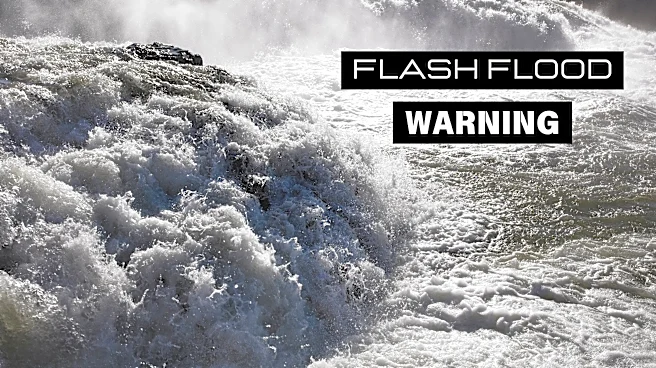
Dozens of individuals were airlifted to safety from Grand Canyon National Park on Saturday following severe flash flooding. The flooding, which began in Bright Angel Canyon around 2:30 p.m., necessitated the evacuation of 62 people by air from the Phantom
Ranch camping area and the lower North Kaibab Trail. Park officials confirmed that more evacuations were planned for Sunday morning from Cottonwood Campground and Phantom Ranch. The National Park Service reported significant damage to infrastructure, including the destruction of nearly all footbridges spanning Bright Angel Creek, which has eliminated hiker access. A metal building was washed into the Colorado River, and many bridges at Phantom Ranch were also washed out. Consequently, Phantom Ranch, Bright Angel Campground, the Phantom Ranch Canteen and cabins, and the entire North Kaibab Trail from the trailhead to Phantom Ranch are closed indefinitely. The Black Bridge and Silver Bridge crossing the Colorado River are also closed, with no estimated reopening date. The Colorado River itself is closed to river traffic due to debris. Despite the widespread damage, no injuries have been reported. The FOX Forecast Center indicated that rainfall totals of 1 to 1.75 inches in the hardest-hit areas were sufficient to cause these significant issues, with one campground reporting a foot of standing water and several trails becoming impassable. Gauges along the Colorado River spiked by as much as 9 feet.
Why It's Important?
This incident highlights the significant risks posed by monsoon season in the Southwest United States, particularly in popular national parks like the Grand Canyon. The extensive damage to trails, bridges, and other infrastructure not only disrupts recreational activities but also poses substantial economic implications for the tourism sector. The closure of key areas like Phantom Ranch and the North Kaibab Trail, which are major attractions, will result in lost revenue for the park and associated businesses, including concessionaires like Xanterra. The need for emergency airlifts and the subsequent closure of critical access points underscore the challenges national parks face in managing visitor safety amidst unpredictable and severe weather events. Furthermore, the event serves as a stark reminder of the vulnerability of natural landscapes and human-made structures within them to rapid environmental changes. The disruption to river traffic also impacts commercial and private river trips, affecting a broader segment of the tourism industry that relies on access to the Colorado River. The incident also emphasizes the importance of robust emergency response systems and clear communication protocols for visitor safety in remote and rugged environments.
What's Next?
Park staff will continue to assess the full extent of the damage to trails, bridges, utilities, facilities, and other infrastructure. Further evacuations are expected from Cottonwood Campground and Phantom Ranch. The National Park Service will provide additional information as it becomes available, including updates on reopening dates for affected areas. Visitors with upcoming river trips are advised to contact their commercial outfitters or NPS River Permits for specific information. Xanterra, the largest national park concessions management company, will communicate with guests holding future Phantom Ranch reservations regarding their status. Authorities are urging visitors to avoid closed areas until further notice. The FOX Forecast Center warns of additional thunderstorms and heavy rain in the coming days, which could lead to more flash flooding, debris flows, rockfall, and changing trail and river conditions. This ongoing threat means that park operations will remain highly dynamic, with potential for further closures and disruptions as weather patterns evolve.
Beyond the Headlines
The flash flooding at Grand Canyon National Park underscores a broader environmental concern regarding the increasing intensity and unpredictability of weather events, particularly during monsoon seasons. While the source does not explicitly link this event to climate change, it highlights the growing challenges faced by natural ecosystems and human infrastructure in adapting to more extreme weather patterns. The destruction of footbridges and other facilities in a UNESCO World Heritage site raises questions about the long-term sustainability of current infrastructure in such vulnerable environments and the need for more resilient design. Ethically, the incident prompts a re-evaluation of visitor management strategies in high-risk areas, balancing public access with safety in the face of natural hazards. The reliance on airlifts for rescue operations also points to the significant resources required for emergency responses in remote national parks. This event could trigger discussions on enhanced early warning systems, improved infrastructure resilience, and potentially revised access policies during peak monsoon periods to mitigate future risks and protect both visitors and the delicate natural environment.