








What's Happening?
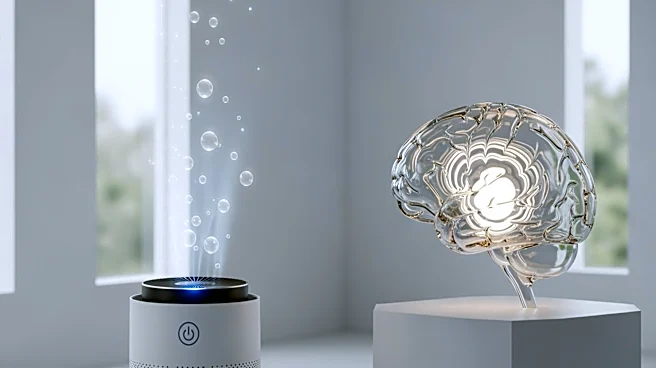
A recent study published in Scientific Reports reveals that using HEPA air purifiers can lead to a significant improvement in cognitive function among adults aged 40 and older. The research involved 119 participants from Somerville, Massachusetts, an area
with high levels of traffic-related air pollution. Participants were divided into two groups, each using a real HEPA purifier and a sham purifier for one month each, with a break in between. The study found that those over 40 completed cognitive tests 12% faster after using the HEPA purifier compared to the sham. This improvement, while modest, is comparable to cognitive benefits from increased physical exercise.
Why It's Important?
The findings underscore the potential health benefits of reducing exposure to particulate matter, which is linked to various health issues, including neurological diseases. The study highlights the importance of air quality in cognitive health, particularly for those living near major pollution sources like highways. This research is significant as it suggests that HEPA purifiers could be a practical intervention to mitigate cognitive decline, especially in older adults. The study also points to broader public health implications, as air pollution disproportionately affects low-income communities and people of color.
What's Next?
Further research is needed to explore the long-term effects of HEPA purifiers on cognitive function and to understand the mechanisms behind these improvements. Future studies may investigate whether prolonged use of air purifiers can sustain or enhance cognitive benefits and examine their impact on brain structure, particularly white matter. Additionally, there is a need to assess the effectiveness of air purifiers in different environmental settings and among diverse populations.