
What's Happening?
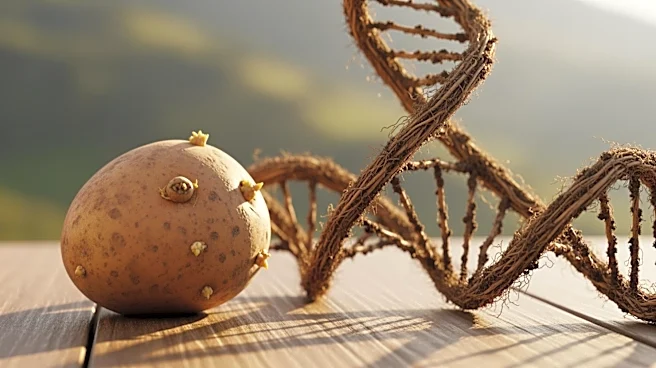
A recent study has uncovered a significant genetic adaptation in the Indigenous Andean populations linked to the domestication of potatoes around 10,000 years ago. This adaptation involves the AMY1 gene,
which is responsible for the production of salivary amylase, an enzyme that begins the digestion of starch in the mouth. The study found that Andean populations have a higher number of AMY1 gene copies compared to the global average, which enhances their ability to digest starchy foods like potatoes. This genetic change is attributed to natural selection, favoring individuals with more AMY1 copies, thus providing them with a survival advantage in a diet heavily reliant on potatoes.
Why It's Important?
The findings highlight a clear example of recent human evolution driven by dietary changes. This genetic adaptation underscores the dynamic nature of human biology, which continues to evolve in response to environmental and cultural shifts. The study challenges the notion that human metabolic pathways are solely a product of ancient diets, such as those from the Paleolithic era. It also provides insights into how specific populations have developed unique genetic traits that enhance their ability to thrive in particular environments, which could have implications for understanding dietary needs and health outcomes in different cultural contexts.
What's Next?
Further research could explore the broader implications of this genetic adaptation on health, particularly in relation to metabolic diseases and dietary recommendations. Understanding the genetic basis of dietary adaptations could lead to more personalized nutrition strategies that consider an individual's genetic makeup. Additionally, this research could inform agricultural practices and food policies in regions where traditional diets are undergoing rapid changes due to globalization and modernization.
Beyond the Headlines
The study also raises questions about the potential health impacts of high amylase activity, such as increased risk of dental cavities, which are prevalent in some Andean communities. This highlights the complex interplay between genetic adaptations and modern health challenges. Moreover, the research contributes to a growing body of evidence that human evolution is ongoing and influenced by cultural practices, such as agriculture, which continue to shape our genetic landscape.