






What's Happening?
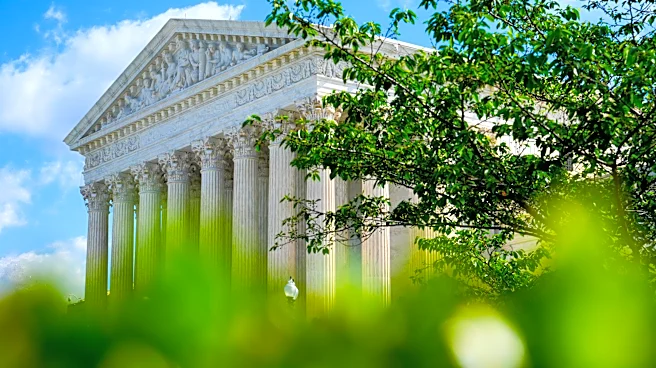
The Supreme Court is currently deliberating on a significant case concerning digital privacy rights, specifically focusing on the use of 'geofence warrants' by law enforcement. This case, Chatrie vs. U.S., involves a police detective in Virginia who obtained
a geofence warrant to access Google location data in the search for a bank robber. The warrant allowed the police to collect data from phones near the crime scene during the time of the robbery, leading to the identification of three individuals, including the defendant, Odell Chatrie. The justices are divided on whether such digital searches violate the Fourth Amendment's protection against unreasonable searches. Some justices, like Brett M. Kavanaugh, see the practical benefits of these searches in solving crimes, while others, including Sonia Sotomayor, Neil M. Gorsuch, and Amy Coney Barrett, express concerns about privacy and the potential for overreach.
Why It's Important?
This case is pivotal in defining the boundaries of digital privacy and law enforcement's reach in the digital age. The outcome could significantly impact how police use technology to gather evidence, potentially setting a precedent for future cases involving digital data. A ruling in favor of the government could expand law enforcement's ability to use digital data in investigations, while a decision favoring Chatrie could reinforce privacy protections and limit the use of geofence warrants. This decision will affect not only law enforcement practices but also the privacy rights of individuals, as it addresses the balance between public safety and personal privacy in the digital realm.
What's Next?
The Supreme Court is expected to issue a ruling on this case by the end of June. The decision will likely prompt reactions from various stakeholders, including civil liberties groups, law enforcement agencies, and technology companies. Depending on the ruling, there may be calls for legislative action to clarify the legal standards for digital searches and privacy protections. Additionally, the decision could influence how technology companies handle user data and respond to law enforcement requests.