








What's Happening?
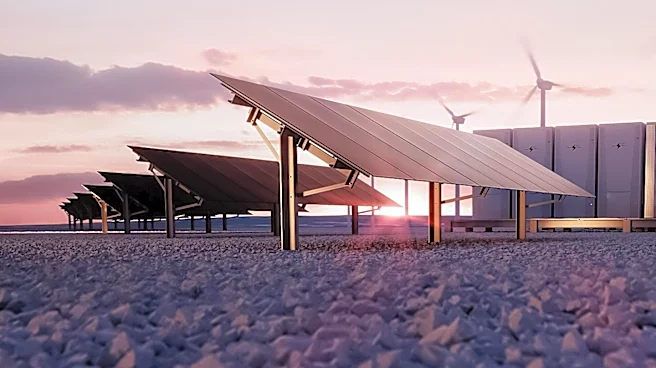
AES, a Virginia-based energy company, has withdrawn its proposal to build a large battery storage facility in San Jose's Coyote Valley. The project, known as the Jewelflower Project, faced significant opposition from local leaders, environmentalists,
and state legislators due to its location in a protected open space and agricultural area. The facility was intended to house thousands of lithium-ion batteries across 40 acres, but concerns about its impact on the environment and local community led to its cancellation. AES cited project economics, infrastructure requirements, and community considerations as reasons for the withdrawal.
Why It's Important?
The withdrawal of the Jewelflower Project highlights the ongoing tension between renewable energy development and environmental conservation. While battery storage is crucial for supporting renewable energy sources like solar and wind, the location of such projects can lead to conflicts with conservation efforts. Coyote Valley is considered an area of environmental significance, and its preservation is a priority for local stakeholders. This case underscores the need for careful planning and community engagement in renewable energy projects to balance environmental protection with energy needs.
What's Next?
With the cancellation of the Jewelflower Project, AES and other energy companies may need to explore alternative locations for battery storage facilities that align with environmental and community priorities. The decision also sets a precedent for future renewable energy projects in California, emphasizing the importance of site selection and stakeholder involvement. As the state continues to expand its renewable energy infrastructure, similar challenges may arise, requiring innovative solutions to integrate energy projects with environmental conservation.