

What's Happening?
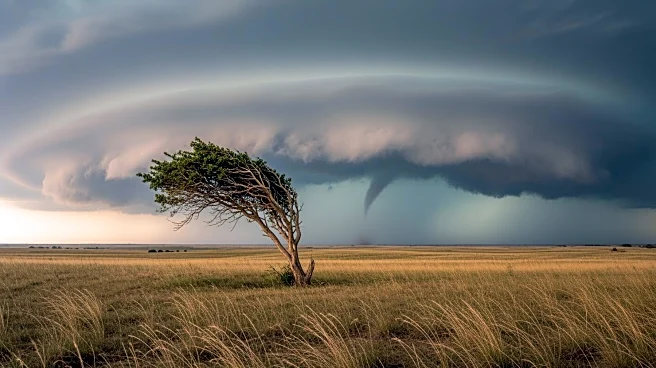
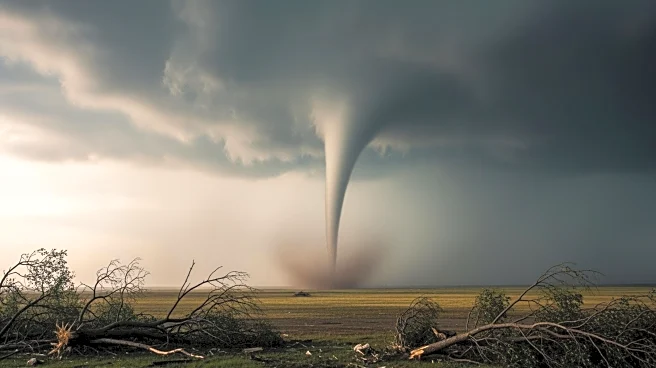
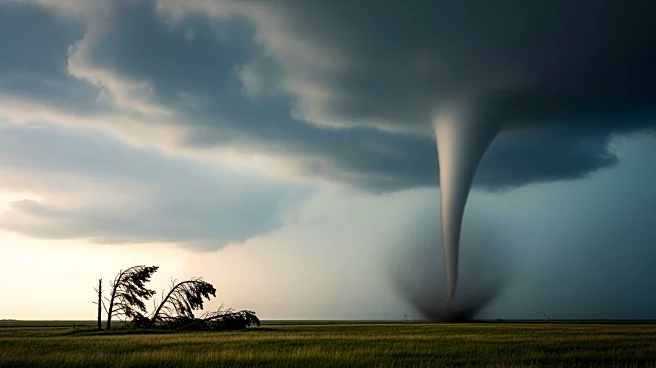
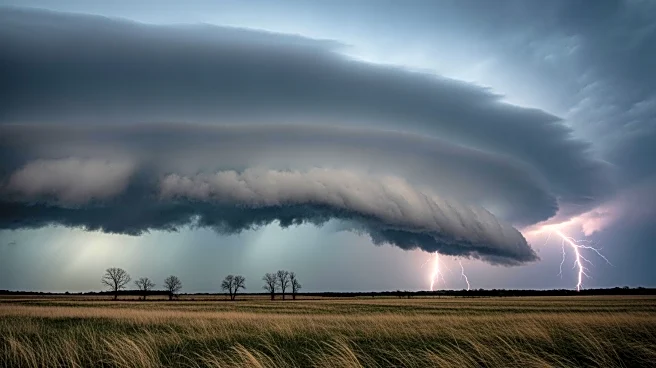
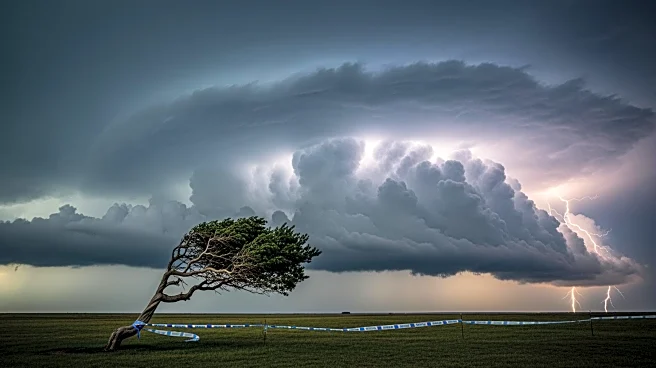
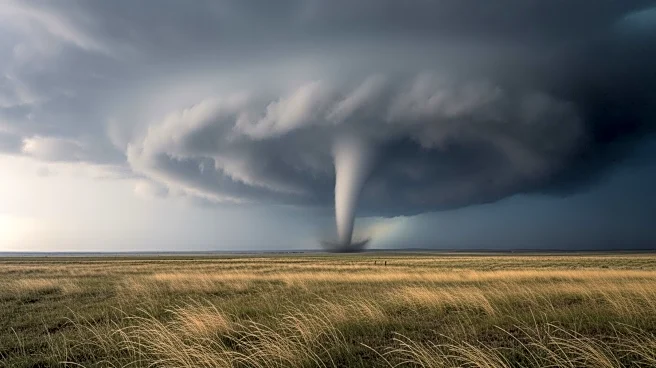
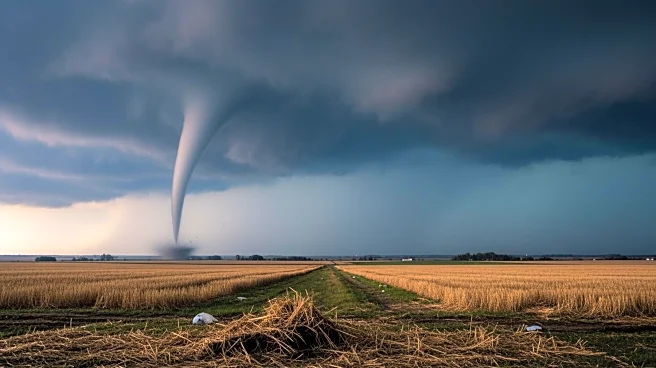
A severe weather outbreak over the weekend resulted in a series of tornadoes and damaging hail across the Plains and Midwest, leading to the deaths of at least eight individuals. The affected area spanned over 1,500 miles from Texas to Michigan, impacting
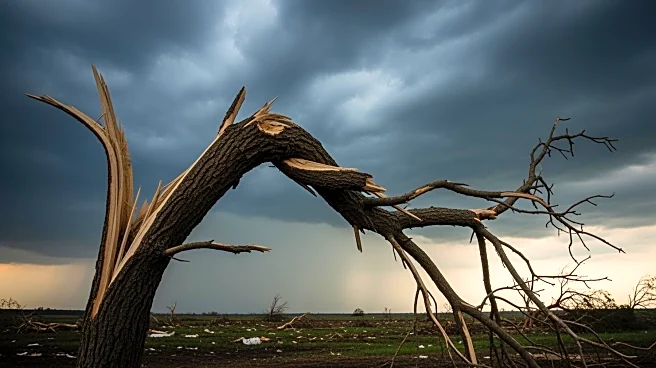
more than 60 million people. In Michigan, four fatalities were reported, particularly in Union City, where significant damage occurred near Union Lake. The National Weather Service confirmed the damage was consistent with an EF-3 tornado, with winds reaching at least 160 miles per hour. Oklahoma also reported four deaths due to the tornadoes. Forecasters from AccuWeather have warned of another round of severe storms expected to hit the central United States, with the highest tornado risk anticipated from Missouri to Indiana on Tuesday afternoon and night.
Why It's Important?
The recent tornado outbreak highlights the increasing frequency and intensity of severe weather events in the United States, raising concerns about preparedness and response capabilities. The widespread impact across multiple states underscores the need for robust emergency management strategies and infrastructure resilience. The fatalities and extensive property damage also emphasize the human and economic costs associated with such natural disasters. As climate patterns continue to shift, the potential for more frequent severe weather events could strain local and national resources, affecting insurance markets, emergency services, and community recovery efforts.
What's Next?
With another round of severe storms forecasted, communities in the central United States are bracing for potential impacts. Emergency services and local governments are likely to enhance preparedness measures, including issuing warnings and ensuring shelters are ready. Residents in high-risk areas may need to take precautionary actions, such as securing property and having emergency plans in place. The ongoing threat of severe weather could prompt discussions on improving forecasting technologies and investing in infrastructure that can withstand extreme conditions.