






What's Happening?
Northrop Grumman is increasing its defense industry collaborations across Central and Eastern Europe, focusing on air defense, armored vehicles, and surveillance systems. In Estonia, the company has signed memorandums of agreement with Go Craft and DefSecIntel
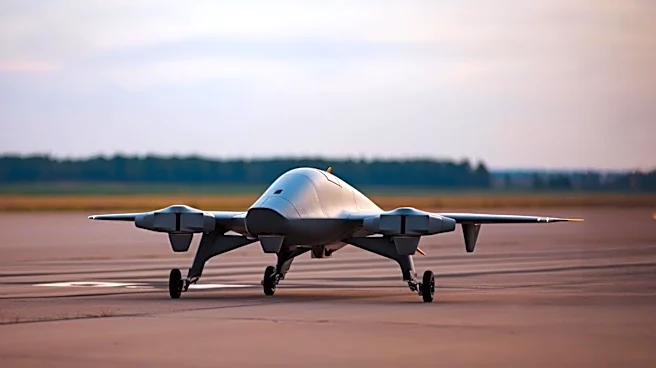
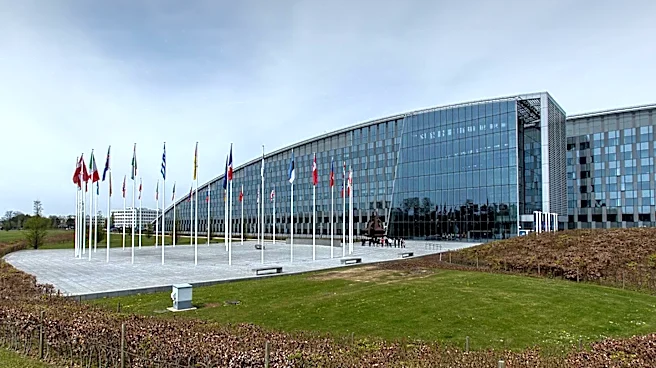
to support its Integrated Battle Command System (IBCS), which connects various sensors and weapons for a unified battlespace view. Poland has already declared its IBCS system combat-ready, making it one of the first operators outside the U.S. Additionally, Northrop Grumman is deepening its cooperation with Polish defense manufacturer Huta Stalowa Wola on Bushmaster chain guns, used in Polish Rosomak and Borsuk armored vehicles, involving technology transfer, servicing, and support. The company is also in discussions with Poland regarding the E-2D Advanced Hawkeye airborne command-and-control aircraft and is promoting its Raid Hunter counter-air system designed to engage drones and cruise missiles. These efforts align with NATO's increased military presence and surveillance in the region following Russia's invasion of Ukraine, aiming to strengthen the alliance's collective defense posture.
Why It's Important?
This expansion by Northrop Grumman is crucial for bolstering the defense capabilities of Central and Eastern European nations, which are at the forefront of strengthening NATO's collective defense. The integration of advanced systems like IBCS enhances interoperability among allied forces, providing a more cohesive and effective response to modern aerial threats, including cruise missiles, ballistic missiles, and drone swarms. By deepening collaboration with local industries, Northrop Grumman is contributing to the development of a more integrated, resilient, and effective defense architecture across various domains. This not only strengthens the security of individual nations like Poland and Estonia but also reinforces NATO's overall deterrent posture against potential aggressors. The transfer of technology and local production support also fosters economic growth and self-sufficiency within these allied countries, reducing their reliance on external suppliers for critical defense components and maintenance.
What's Next?
Northrop Grumman is expected to continue discussions with Poland regarding the potential adoption and industrial cooperation for the E-2D Advanced Hawkeye aircraft. The company will also likely pursue further partnerships and technology transfers to enhance the defense capabilities of other NATO allies in the region. The ongoing strengthening of NATO's eastern flank, including additional air policing, ground forces, exercises, and integrated air and missile defense measures, will continue. These efforts are a direct response to the evolving threat landscape demonstrated by Russia's war in Ukraine, which has highlighted the need for robust and adaptable defense systems. The focus will remain on integrating advanced technologies and fostering local defense industries to build a more resilient and effective collective defense. The success of these initiatives will be closely watched by both allies and potential adversaries.
Beyond the Headlines
The increased defense collaboration in Eastern Europe signifies a broader strategic shift within NATO, emphasizing localized production and technological integration to counter evolving threats. This move not only enhances military readiness but also has significant economic implications, fostering defense industrial bases in allied nations. The focus on systems like IBCS and counter-drone technologies reflects a recognition of the changing nature of modern warfare, where sophisticated aerial threats and networked operations are paramount. Ethically, these partnerships underscore the commitment to collective security and mutual defense, reinforcing the principle that an attack on one ally is an attack on all. Culturally, it can strengthen ties between the U.S. and Eastern European nations, fostering a shared sense of security and technological advancement. Long-term, this could lead to a more self-reliant and technologically advanced European defense sector, capable of addressing future security challenges with greater autonomy.