





What's Happening?
The Food and Agriculture Organization (FAO) has issued a warning regarding the potential global food supply crisis due to fertilizer shortages caused by disruptions in the Strait of Hormuz. FAO Director General Qu Dongyu highlighted that the scarcity
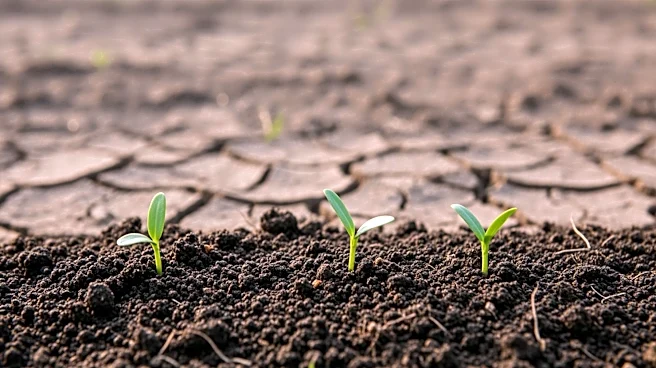
of fertilizers is expected to lead to reduced crop yields and a squeeze on food supplies, particularly affecting the latter half of this year and extending into 2027. The disruption in the Strait of Hormuz, a critical shipping corridor, is constraining fertilizer markets and increasing energy prices, which could significantly impact food and agriculture production costs. The FAO emphasized that timely application of fertilizers is crucial for maintaining crop yields, and any delays could have long-lasting effects on future harvests.
Why It's Important?
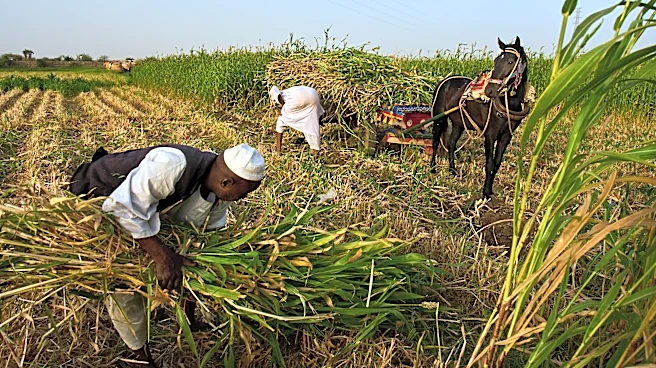
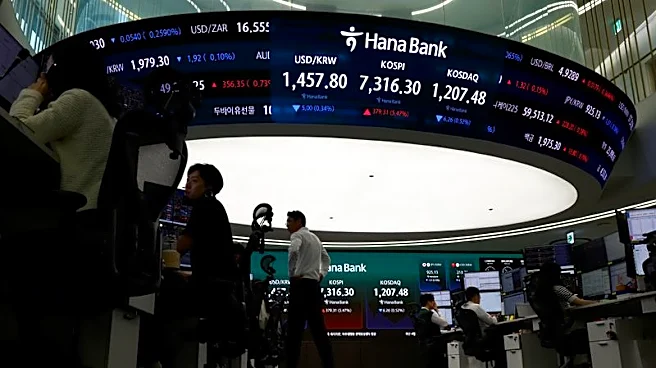
The disruption in fertilizer supplies poses a significant threat to global food security, particularly for countries heavily reliant on imports, such as those in Africa, Asia, and parts of the Middle East. These regions are already vulnerable due to existing food insecurity, economic fragility, and climate-related challenges. The rising food commodity prices, as indicated by the FAO Food Price Index, which saw a 1.6% increase in April, further exacerbate the situation. The index noted increases in vegetable oils, meat, and cereals, which could lead to higher food costs globally. The FAO's warning underscores the need for alternative trade routes and structural changes to reduce dependency on concentrated supply routes and fossil fuel-based inputs.
What's Next?
In response to the crisis, the FAO has recommended facilitating alternative trade routes to maintain supply chains and avoid export restrictions. In the long term, there is a call for structural transformation to decrease reliance on concentrated supply routes and fossil fuel-based inputs. The ongoing situation in the Strait of Hormuz will require close monitoring, as prolonged disruptions could lead to a more severe global agri-food crisis. Stakeholders, including governments and international organizations, may need to collaborate to address these challenges and ensure food security.