





What's Happening?
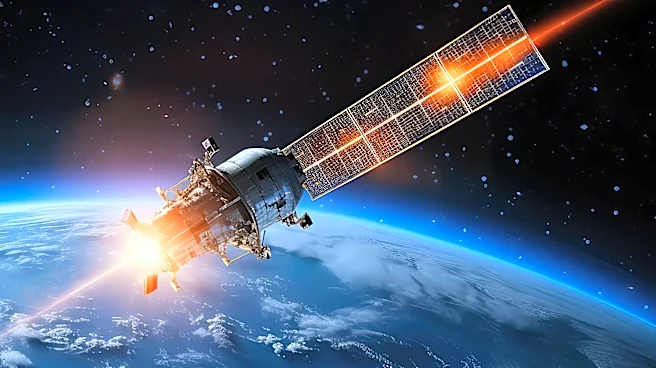
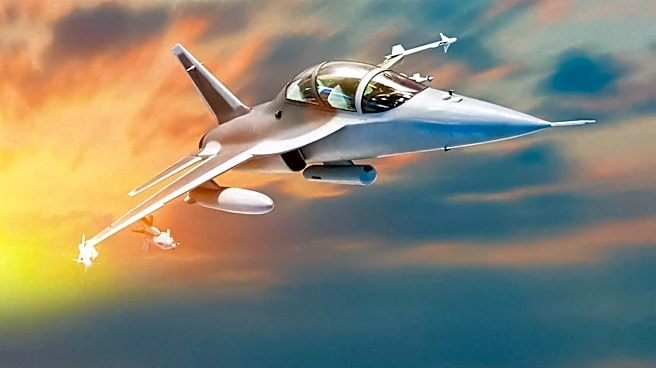
Lockheed Martin has outlined a new missile-defense architecture that enhances the role of the F-35 Lightning II as an airborne tracking and targeting node. This development involves integrating the F-35 into a network that connects space-based sensors,
command systems, and interceptors. The goal is to reduce the time from threat detection to engagement, thereby improving the U.S. military's ability to track and neutralize fast-moving threats. The F-35's advanced sensors and data-fusion capabilities will allow it to contribute critical tracking and targeting information, enhancing the overall effectiveness of the missile defense system.
Why It's Important?
This development is significant as it represents a shift towards more integrated and responsive defense systems. By leveraging the F-35's capabilities, the U.S. aims to create a more cohesive defense network that can respond more quickly to threats. This integration is crucial in the face of increasingly sophisticated missile threats, including ballistic, cruise, and hypersonic missiles. The ability to connect various defense assets into a unified system could provide the U.S. with a strategic advantage, enhancing national security and potentially deterring adversaries.
What's Next?
The next steps involve further integration of the F-35 into the missile defense architecture and continued development of the supporting systems, such as the Next Generation Interceptor. Stakeholders, including the U.S. military and defense contractors, will likely focus on refining the technology and ensuring seamless communication between different components of the defense network. This could involve additional testing and collaboration with international allies to strengthen collective defense capabilities.