








What's Happening?
Lisbon's emergency response system advises calling 112 for severe or life-threatening symptoms, or proceeding directly to the nearest emergency department. The city's healthcare infrastructure has undergone significant restructuring, with the dissolution
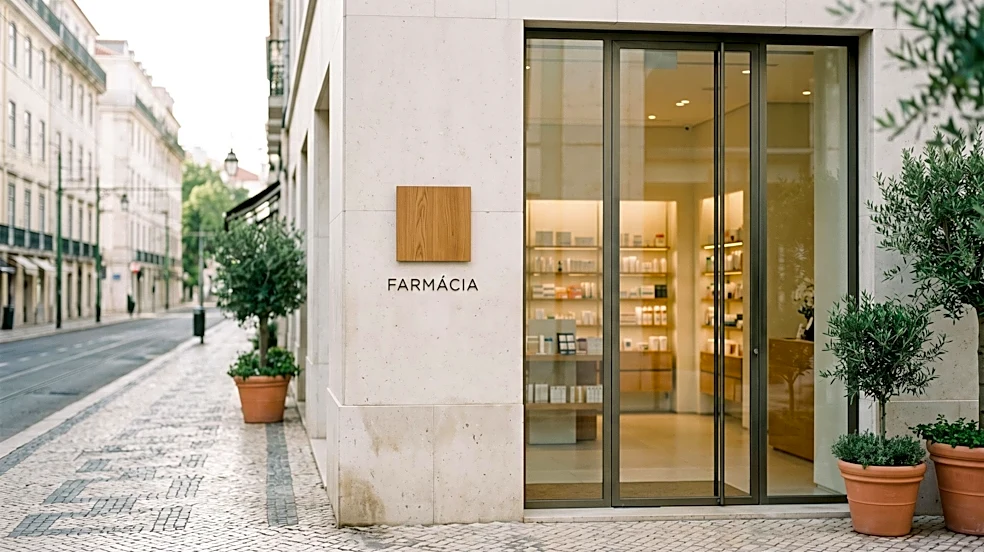
of five regional health administrations (ARS) on January 1, 2024. These were replaced by 39 Unidades Locais de Saúde (ULS), which integrate hospitals and health centers under unified management. Lisbon is now covered by several of these new ULS, including ULS de Santa Maria in the north and ULS de Lisboa Ocidental to the west, each combining a university hospital center with surrounding health centers. For non-emergency symptoms, the national triage line SNS 24 (808 24 24 24) provides phone assessments and directs individuals to appropriate care, such as self-care, a health center, or an emergency department. EHIC and UK GHIC holders can access state care on resident terms. Out-of-hours pharmacy services are also available through a rota system, with information posted at closed pharmacies.
Why It's Important?
The restructuring of Portugal's health service, particularly in Lisbon, aims to streamline healthcare delivery by consolidating hospitals and health centers under single management. This integration is intended to improve coordination and efficiency in patient care, from emergency services to routine consultations. For residents and the growing population of digital nomads and expatriates in Lisbon, understanding this new system is crucial for accessing timely and appropriate medical attention. The emphasis on a centralized emergency number (112) and a national non-emergency triage line (SNS 24) helps to direct patients to the correct level of care, potentially reducing strain on emergency departments. The provision for EHIC and UK GHIC holders ensures that international visitors and temporary residents have access to state healthcare, which is vital for a city that is a major tourist destination and a hub for international tech communities. The clarity on emergency protocols and the availability of out-of-hours pharmacy services contribute to public health and safety in the rapidly evolving urban landscape of Lisbon.
What's Next?
The newly established Unidades Locais de Saúde (ULS) will continue to integrate and optimize healthcare services across Lisbon. The effectiveness of this restructured system in managing both emergency and non-emergency medical needs will be continuously evaluated. For the increasing number of digital nomads and new foreign residents, the process of registering with a health center and being assigned a family doctor will remain a key step in fully accessing the local healthcare system, though this process can take time. The ongoing influx of remote workers and tourists means that the demand on Lisbon's healthcare services will likely remain high, necessitating efficient operation of the ULS and the SNS 24 triage line. Further public awareness campaigns may be implemented to ensure all residents and visitors are familiar with the correct procedures for accessing medical care, particularly the distinction between emergency (112) and non-emergency (SNS 24) situations.
Beyond the Headlines
The healthcare restructuring in Lisbon reflects a broader trend in European countries to adapt public health services to changing demographics and increased demand, particularly in urban centers experiencing rapid growth from tourism and international migration. The challenge lies in balancing the needs of long-term residents with those of a transient population, ensuring equitable access and quality of care for all. The integration of university hospital centers with local health centers under the ULS model could foster greater collaboration between academic medicine and community health, potentially leading to advancements in medical practice and public health initiatives. However, the success of this model will depend on adequate funding, staffing, and effective communication strategies to inform a diverse population about how to navigate the system. The emphasis on a national triage line also highlights the increasing role of telemedicine and remote consultation in modern healthcare, aiming to provide initial assessments and guide patients to the most appropriate care setting, thereby optimizing resource allocation and patient flow.