



What's Happening?
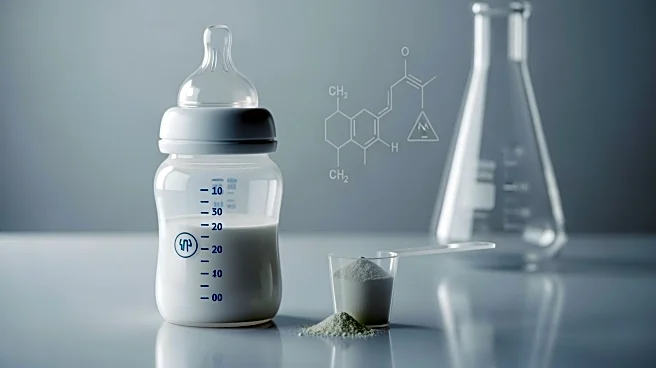
Consumer Reports has conducted a follow-up investigation into the safety of infant formulas, testing 49 products for contaminants such as heavy metals and PFAS. The report found that while many formulas had low or non-detectable levels of contaminants,
over half contained concerning levels of inorganic arsenic, lead, and PFAS. These substances can pose health risks to infants, including potential harm to brain development. Despite these findings, Consumer Reports assures that all tested formulas are safe for consumption, emphasizing the need for clearer information and stricter industry standards. The investigation highlights the lack of federal limits for heavy metals in infant formulas.
Why It's Important?
The presence of contaminants in infant formulas raises significant public health concerns, particularly for vulnerable populations like infants. This report underscores the need for stricter regulatory oversight and transparency in the infant formula industry. Parents rely on these products for their children's nutrition, and potential exposure to harmful substances could have long-term health implications. The findings may prompt regulatory bodies to establish stricter safety standards and testing requirements. Manufacturers may face increased scrutiny and pressure to ensure product safety, potentially leading to changes in production practices and ingredient sourcing.
What's Next?
Consumer Reports recommends that parents consult healthcare providers before making changes to their baby's diet. The report may lead to increased advocacy for regulatory reform and the establishment of federal limits on contaminants in infant formulas. Manufacturers might enhance their testing protocols and transparency to address consumer concerns. Ongoing research and monitoring will be crucial to ensure the safety of infant nutrition products. The findings could also influence consumer behavior, with parents seeking safer alternatives and demanding more information about product safety.