







What's Happening?
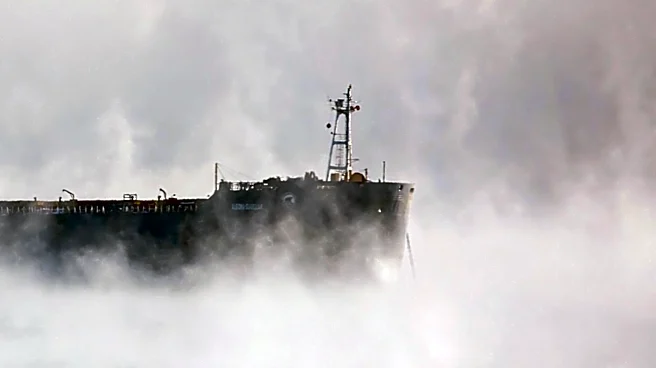
An EU naval mission, led by Italy, boarded the Russian tanker Toa Payoh, part of Russia's 'shadow fleet', on August 2. The tanker, which had recently switched to a Cameroon registry, was intercepted in international waters near Pantelleria, Italy. The inspection
aimed to verify the vessel's registration and compliance with EU sanctions, which target vessels suspected of aiding Russia in circumventing oil export restrictions. The operation, part of the EUNAVFOR MED Irini mission, did not result in the detention of the tanker, but documentation was collected for potential future actions. This marks the second such operation in recent weeks, following a similar inspection of another Russian-linked tanker.
Why It's Important?
The EU's intensified scrutiny of Russian vessels highlights the ongoing efforts to enforce sanctions and restrict Russia's ability to export oil, a critical revenue source for its economy. These inspections are part of broader international measures to pressure Russia economically in response to its actions in Ukraine. The operations demonstrate the EU's commitment to upholding sanctions and preventing their circumvention, which could have significant implications for global oil markets and Russia's economic stability. The inspections also underscore the strategic importance of maritime routes and the role of naval forces in enforcing international law.
What's Next?
Further inspections and enforcement actions by the EU are likely as part of ongoing efforts to monitor and restrict Russia's oil exports. The documentation gathered during these operations could lead to legal actions or further sanctions against non-compliant vessels. Russia may respond with diplomatic or economic measures, potentially escalating tensions with the EU. The situation could also prompt other countries to enhance their maritime security and compliance measures to avoid similar scrutiny.