





What's Happening?
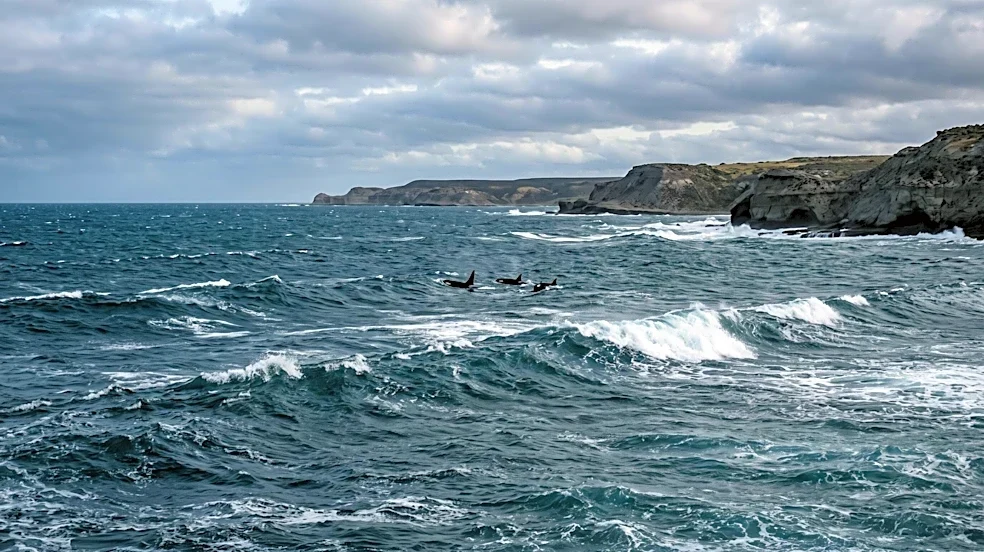
Scientists are expressing alarm over an unusual and sharp increase in southern right whale deaths along Argentina's Península Valdés coast, with unofficial estimates suggesting over 300 fatalities since July. This year is anticipated to surpass previous
records for whale mortality. The Southern Right Whale Health Monitoring Program, conducted by the Whale Conservation Institute (ICB) since 2003, typically records calf mortality, which peaked at 113 in 2012, and adult strandings, with a high of 28 in 2022. However, this year, both calves and adult whales are dying in unusually high numbers. Researchers have linked calf deaths to the bacterium *Erysipelothrix rhusiopathiae*, which causes erysipelas. The cause of death for adult whales is still under investigation, but harmful algal blooms, commonly known as 'red tide,' are suspected, a phenomenon also implicated in the 2022 mortality spike. While human activity has not been directly linked, scientists acknowledge that climate change and the El Niño phenomenon could be altering oceanographic conditions, allowing bacteria and algal blooms to proliferate.
Why It's Important?
This mass mortality event for southern right whales is a significant environmental concern, threatening the recovery of a species that was once near extinction due to commercial whaling. The dual causes—bacterial infection in calves and suspected harmful algal blooms in adults—point to complex ecological imbalances, potentially exacerbated by climate change. For the U.S., particularly coastal regions, this event serves as a cautionary tale about the vulnerability of marine ecosystems to environmental shifts and the potential for similar mass die-offs of marine mammals. The economic impact on tourism, especially in areas reliant on whale watching, could be substantial. Furthermore, it highlights the broader implications of ocean health on global biodiversity and the interconnectedness of marine life with climate patterns, emphasizing the need for international collaboration in marine conservation and climate research.
What's Next?
Scientists and authorities in Argentina are continuing necropsies and collecting samples for scientific and microbiological analysis, including water and shellfish sampling, to confirm the causes of death, especially for adult whales. The Whale Conservation Institute and the provincial government are urging patience as researchers work to understand the problem and its potential long-term effects on the whale population. This event will likely prompt increased monitoring of marine ecosystems for harmful algal blooms and bacterial outbreaks, particularly in areas frequented by vulnerable marine species. International scientific collaboration may also increase to study the links between climate change, oceanographic conditions, and marine mammal health, potentially leading to new conservation strategies.
Beyond the Headlines
The mass whale deaths raise profound questions about the health of our oceans and the cascading effects of climate change on marine biodiversity. It underscores the fragility of ecosystems and the delicate balance required for species survival, even for those that have shown signs of recovery. The event also highlights the challenges in attributing specific mortality events to broader environmental changes, as multiple factors often interact. Ethically, it compels a re-evaluation of human impact on marine environments and the responsibility to protect vulnerable species. Culturally, such events can galvanize public support for conservation efforts and influence policy decisions regarding marine protection and climate action, potentially leading to stricter regulations on pollution and greater investment in oceanographic research.