










What's Happening?
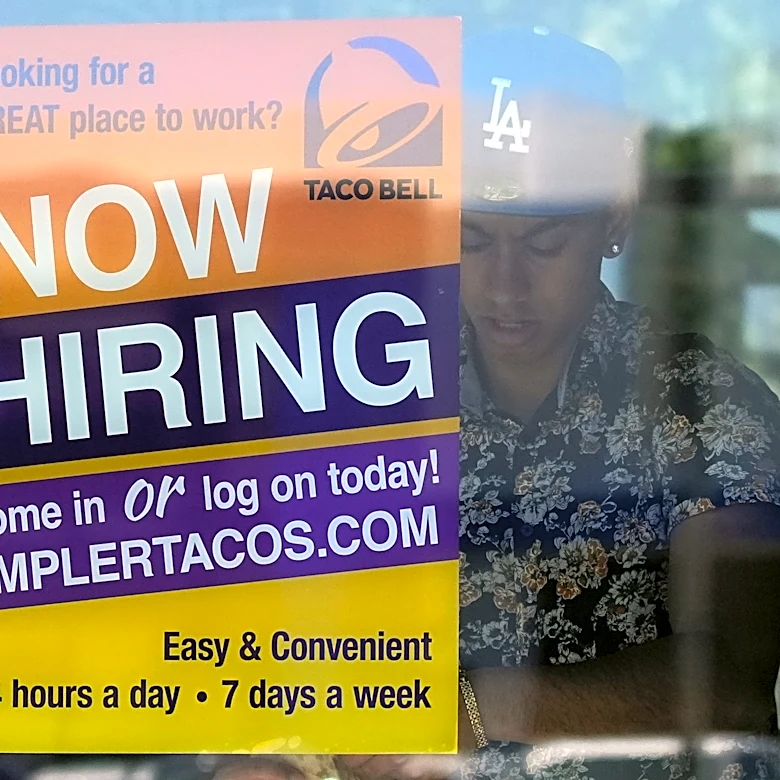
In the current economic climate, many U.S. teachers are compelled to take on additional jobs to make ends meet. Christine Regal, a teacher from Plainfield, New Jersey, exemplifies this trend as she juggles multiple roles, including tutoring and working
part-time at a restaurant. According to a report by the Walton Family Foundation and Gallup, 21% of K-12 public school teachers report financial struggles, with 71% working at least one second job. Rising inflation, as indicated by a 4.2% increase in the Consumer Price Index, exacerbates these financial pressures, affecting teachers' ability to cover basic expenses and classroom supplies.
Why It's Important?
The financial challenges faced by teachers highlight broader issues within the U.S. education system, including inadequate salaries and rising living costs. This situation not only affects teachers' quality of life but also impacts their ability to focus on their primary educational roles. The need for additional income can lead to burnout and reduced job satisfaction, potentially affecting teacher retention and the quality of education students receive. Addressing these economic challenges is crucial for maintaining a stable and effective educational workforce.
What's Next?
As inflation continues to impact living costs, teachers and educational institutions may advocate for policy changes to improve teacher compensation and support. Discussions around education funding and teacher salaries are likely to intensify, with potential implications for state and federal education budgets. Stakeholders, including teachers' unions and policymakers, may push for reforms to address these financial challenges and ensure that teachers can focus on their primary educational responsibilities without the burden of financial insecurity.