


What's Happening?
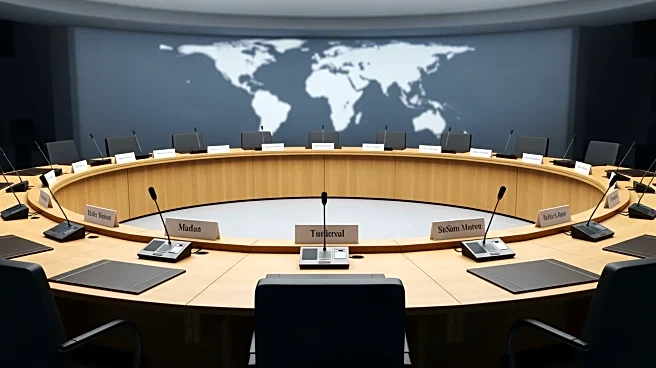
The United States has announced its intention to withdraw from several United Nations bodies, affecting programs related to climate, trade, gender, and development. This decision, outlined in a White House memorandum, indicates a cessation of participation
and funding to these entities, as permitted by law. The UN Spokesperson emphasized that the organization will continue its mandates despite the U.S. withdrawal. The affected bodies include the UN-REDD, UNITAR, and UNFPA, among others, which play crucial roles in sustainable development, climate change, and gender equality.
Why It's Important?
The U.S. withdrawal from these UN bodies could have significant implications for global efforts in addressing climate change, promoting gender equality, and supporting sustainable development. The decision may lead to reduced funding and support for initiatives that rely on U.S. contributions. This move could also impact the U.S.'s influence in international policy-making and its ability to collaborate on global challenges. The withdrawal may create a vacuum that other nations or organizations might fill, potentially altering the dynamics of international cooperation.
What's Next?
The U.S. administration's funding review of international organizations is ongoing, and the full impact of the withdrawal remains unclear. The UN and its member states may need to seek alternative funding sources to continue their programs. The decision could prompt discussions among international stakeholders about the future of multilateral cooperation and the role of the U.S. in global governance. Reactions from other countries and international organizations will likely shape the next steps in addressing the gaps left by the U.S. withdrawal.
Beyond the Headlines
The U.S. decision to withdraw from these UN bodies reflects broader geopolitical shifts and domestic policy priorities. It raises questions about the future of multilateralism and the U.S.'s commitment to international agreements. The move could influence other countries' approaches to global cooperation and highlight the need for diversified funding and leadership in international organizations.