




What's Happening?
California State Parks is actively preparing for the anticipated impacts of a strong El Niño season, which is expected to bring extreme weather events to the state. Governor Newsom has already issued an emergency proclamation on September 21, mobilizing
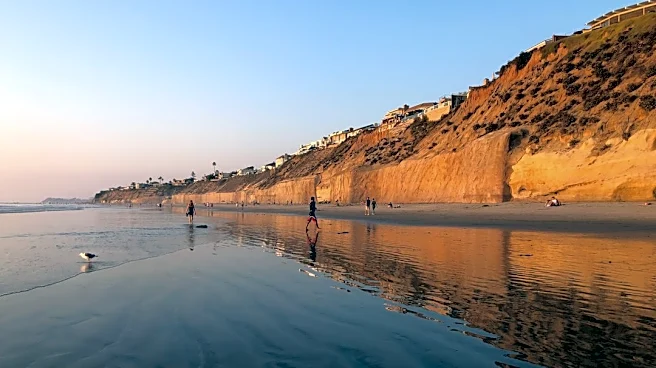
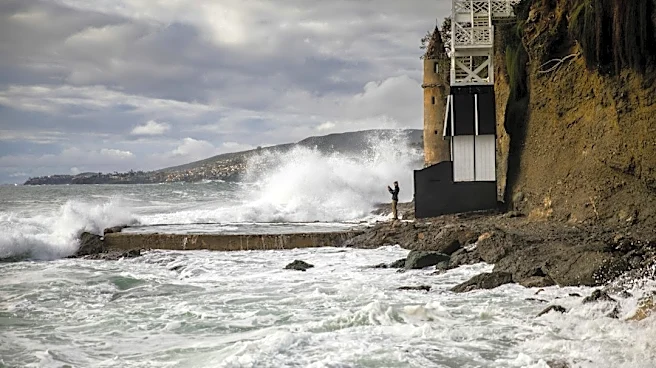
state resources, and signed another executive order on October 27 to protect Highway 1 and coastal communities. The state is bracing for a range of direct and indirect effects, including accelerated coastal erosion, higher sea levels, and increased frequency and intensity of winter storms. Recent events, such as Tropical Storm Rachel in October, have already caused partial closures of state beaches and highlighted vulnerabilities like coastal erosion and bluff cracks at Crystal Cove State Park. El Niño conditions typically lead to warmer sea surface temperatures, which can fuel tropical storms and hurricanes, and weaken trade winds, causing warmer water to spread in the eastern Pacific and raise sea levels along the U.S. West Coast. The state's Oceanography Program and other departments are coordinating efforts, including deploying trap bag armoring systems and storing sandbags to protect vulnerable infrastructure.
Why It's Important?
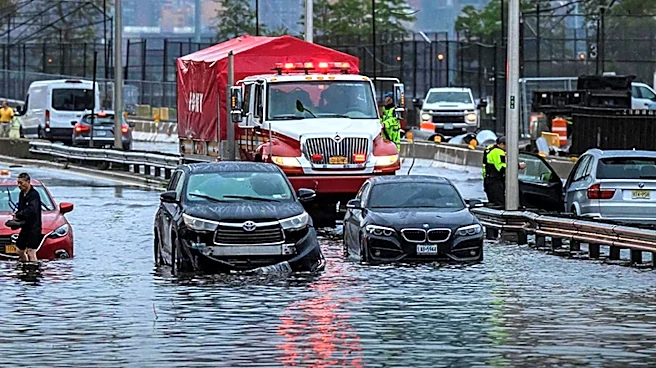
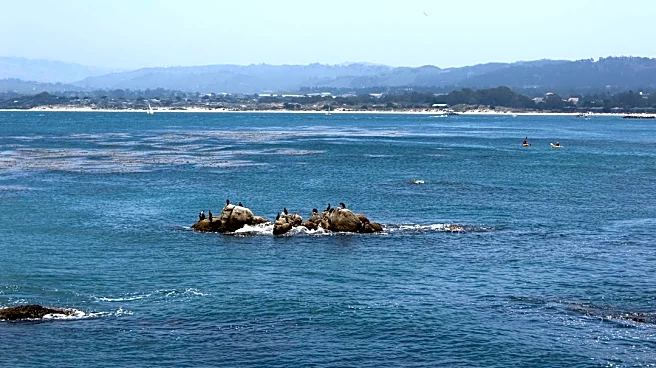
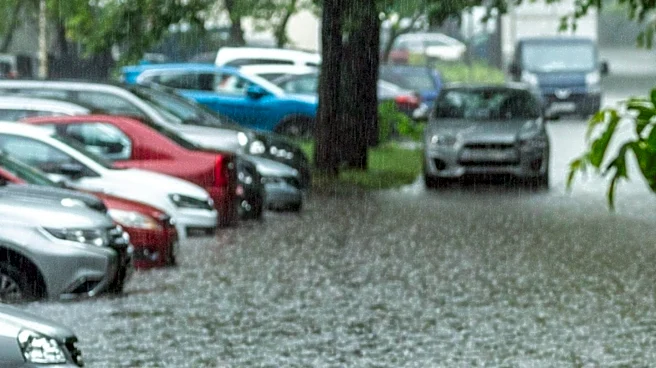
The strong El Niño event poses significant challenges to California's infrastructure, environment, and economy. Coastal communities and state parks are particularly vulnerable to erosion, flooding, and damage to facilities, which can disrupt tourism, local businesses, and residents' safety. The potential for heavy storms, powerful winds, and mudslides threatens not only coastal areas but also inland regions, including the Sierra and foothills, where runoff rainwater could lead to flooding. The impact on marine ecosystems is also critical, as weakened upwelling during El Niño affects fisheries and marine wildlife that depend on nutrient-rich cold water. This could lead to reduced food sources for fish and whales, and force seabirds to dive deeper. The state's proactive measures, including emergency declarations and long-term climate resiliency programs, are crucial for mitigating these widespread impacts and protecting California's natural resources and economic stability.
What's Next?
California State Parks will continue to implement its preparedness plans, including ongoing monitoring of ocean conditions and atmospheric patterns. The department's Law Enforcement and Emergency Services Division is collaborating with the California Governor’s Office of Emergency Services (Cal OES) and other agencies to coordinate emergency responses. This includes surveying vulnerable resources and establishing central points of contact for responders. Coastal districts are deploying protective measures like sandbags and armoring systems. The state is also focusing on long-term nature-based solutions, such as restoring native dune vegetation and historical floodplains, to enhance climate resiliency beyond the current El Niño season. Public awareness campaigns will continue to advise visitors on safe practices when visiting state parks and beaches during extreme weather. The next update on NOAA's three-month outlook will be available on November 19, providing further insights into the evolving El Niño conditions.
Beyond the Headlines
The current El Niño event underscores the broader implications of climate change and the increasing need for robust climate resiliency strategies. The observed shifts in marine life, such as the rare appearance of tropical species like loggerhead sea turtles and oceanic manta rays in California waters, highlight the ecological disruptions caused by warmer ocean temperatures. This phenomenon not only impacts immediate weather patterns but also signals long-term changes in marine biodiversity and ecosystem health. The state's investment in scientific research and partnerships, including those with Scripps Institution of Oceanography and the California Coastal Commission, is vital for understanding and adapting to these evolving environmental challenges. The emphasis on nature-based solutions, such as marine protected areas and living shorelines, reflects a strategic shift towards sustainable approaches that protect both natural environments and human communities from the escalating effects of climate variability.