








What's Happening?
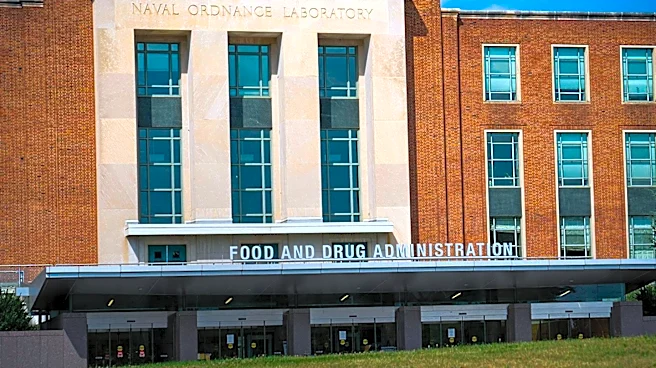
The U.S. Food and Drug Administration (FDA) is intensifying its oversight of food ingredients and additives, with a particular focus on ultra-processed foods (UPFs) and the generally recognized as safe (GRAS) practices. This initiative, announced by Donald
Prater, acting deputy commissioner for food, aims to reform current regulations to better regulate food safety and increase transparency about substances in the U.S. food supply. The FDA plans to conduct a rigorous review of food additives, remove petroleum-based dyes, and promote the use of natural food dyes. The agency is also reorganizing its Human Foods Program to enhance its focus on microbiological food safety, food chemical safety, and nutrition. This reorganization is intended to improve information sharing and decision-making processes. The FDA's efforts are part of a broader strategy to reduce diet-related chronic diseases by empowering consumers with better nutritional information.
Why It's Important?
The FDA's increased scrutiny on food safety and UPFs is significant as it addresses growing public health concerns related to diet-related chronic diseases. By enhancing transparency and safety regulations, the FDA aims to empower consumers to make informed dietary choices, potentially reducing the prevalence of such diseases. This move could impact food manufacturers, who may need to reformulate products to comply with new safety standards and labeling requirements. The focus on natural food dyes and the reassessment of GRAS substances could lead to shifts in the food industry, promoting healthier food options. Additionally, the FDA's actions align with broader public health goals to improve the nutritional quality of the American diet, which could have long-term benefits for public health and healthcare costs.
What's Next?
The FDA plans to continue its efforts to modernize food safety regulations, including the publication of a proposed rule requiring GRAS notices for certain food substances by December. The agency is also working on defining ultra-processed foods, a complex task that involves collaboration with the U.S. Department of Agriculture. As the FDA advances its initiatives, food manufacturers and industry stakeholders will likely need to adapt to new regulations and consumer expectations. The ongoing developments in food safety and labeling could lead to further regulatory changes and innovations in the food industry.