
What's Happening?
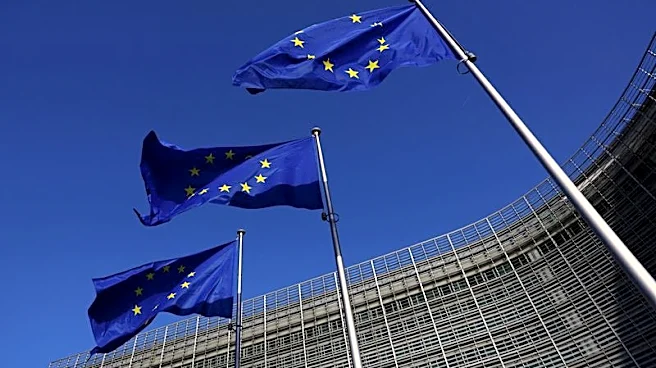
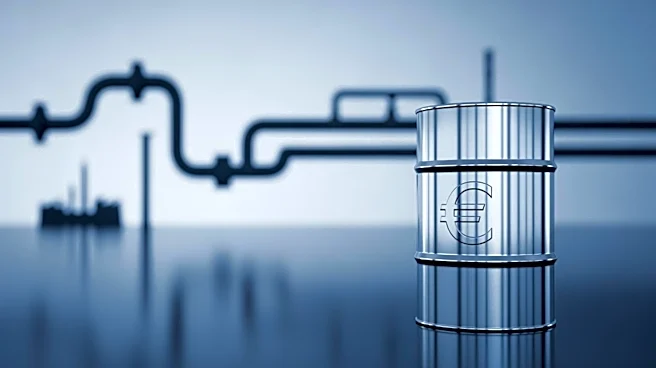
Finance ministers from Spain, Germany, Italy, Portugal, and Austria have called on the European Union to implement a windfall tax on energy companies. This request comes in response to surging oil and gas
prices driven by the ongoing conflict in Iran, which has led to inflation and economic strain across Europe. The ministers highlighted the market distortions caused by the price spike and emphasized the need for fair distribution of the economic burden. The EU had previously imposed a solidarity contribution during the energy market turmoil following Russia's invasion of Ukraine. The current situation has seen Iran block tanker traffic through the Strait of Hormuz, a critical chokepoint for global oil and gas, further exacerbating fuel market stress.
Why It's Important?
The proposed windfall tax is significant as it aims to mitigate the economic impact of rising energy prices on European households and economies. By targeting excess profits of energy companies, the EU seeks to ensure that the financial burden of the conflict is shared more equitably. This move could set a precedent for how international conflicts affecting energy supplies are managed economically. The disruption in the Strait of Hormuz is particularly concerning, as it affects about 20% of global oil and gas traffic, potentially leading to prolonged high fuel prices and inflationary pressures.
What's Next?
The European Commission is expected to consider the proposal for a windfall tax, which could lead to legislative action. Energy companies may face increased scrutiny and pressure to contribute to economic relief efforts. The situation in Iran remains volatile, and further developments could influence EU policy decisions. Stakeholders, including energy companies and consumer advocacy groups, are likely to engage in discussions about the implications of such a tax.
Beyond the Headlines
The call for a windfall tax raises questions about the ethical responsibilities of corporations during international crises. It also highlights the vulnerability of economies heavily reliant on imported energy. The EU's approach to managing the economic fallout from geopolitical conflicts could influence global policy on energy security and corporate accountability.