







What's Happening?
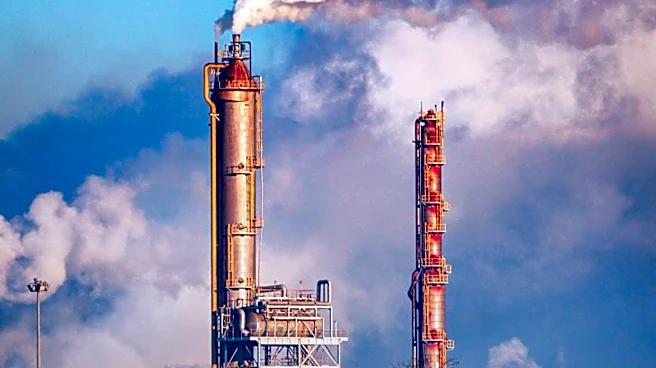
U.S. Representative Veronica Escobar has expressed significant frustration and demanded accountability from the Marathon refinery in El Paso, Texas, following a series of environmental incidents. These incidents include a major pollution release on August
4 and 5, which discharged over 15 tons of pollutants, including approximately 10,000 pounds of propylene, 3,800 pounds of carbon monoxide, and over 1,000 pounds of sulfur dioxide. More recently, a smoke report on Thursday and a sinkhole near the refinery on Trowbridge Drive prompted street closures and air monitoring. El Paso City Representative Josh Acevedo also voiced concerns, stating that Marathon has provided little to no information regarding these events, leading to public distrust. Representative Escobar had previously sent a letter to the Environmental Protection Agency (EPA) requesting an investigation into the pollution release, but the EPA declined, stating that oversight falls under the Texas Commission on Environmental Quality (TCEQ).
Why It's Important?
The ongoing issues at the Marathon refinery and the lack of transparency from the company have significant implications for public health and environmental policy in the U.S. The release of substantial amounts of toxic pollutants like propylene, carbon monoxide, and sulfur dioxide poses direct health risks to residents in El Paso, potentially leading to respiratory problems and other adverse health effects. The EPA's decision to defer oversight to the TCEQ highlights a critical aspect of environmental regulation, where federal and state responsibilities can create jurisdictional complexities and potentially leave communities feeling unprotected. This situation underscores the challenges in holding large industrial facilities accountable for environmental impacts and the need for clear, effective regulatory frameworks to protect citizens from industrial pollution. The community's frustration and the calls for greater transparency reflect a broader societal demand for corporate responsibility and robust environmental protection.
What's Next?
The immediate next steps involve continued pressure from local and federal representatives, including U.S. Representative Veronica Escobar and El Paso City Representative Josh Acevedo, for Marathon to provide comprehensive information and take corrective actions. Residents are encouraged to share their experiences with the City Council, indicating a potential for increased public engagement and demands for accountability. The focus will likely remain on the Texas Commission on Environmental Quality (TCEQ) to address the incidents, given the EPA's stance. This could lead to further investigations, potential fines, or mandates for operational changes at the refinery. The ongoing situation may also prompt discussions about the effectiveness of current environmental regulations and the division of oversight responsibilities between federal and state agencies, potentially leading to calls for policy reforms to strengthen environmental protection and corporate accountability.
Beyond the Headlines
The incidents at the Marathon refinery in El Paso reveal deeper issues concerning environmental justice and corporate governance in the U.S. Communities located near industrial facilities, often low-income or minority populations, disproportionately bear the brunt of environmental pollution. The lack of transparency from Marathon and the jurisdictional complexities between the EPA and TCEQ highlight systemic challenges in ensuring equitable environmental protection. This situation could fuel broader movements advocating for stronger federal oversight of industrial pollution, particularly in areas where state-level enforcement is perceived as inadequate. It also raises questions about the long-term health impacts on residents and the potential for legal action against the refinery. The events underscore the ethical responsibilities of corporations to operate transparently and prioritize community well-being over profit, and the critical role of elected officials in advocating for their constituents' health and safety.