





What's Happening?
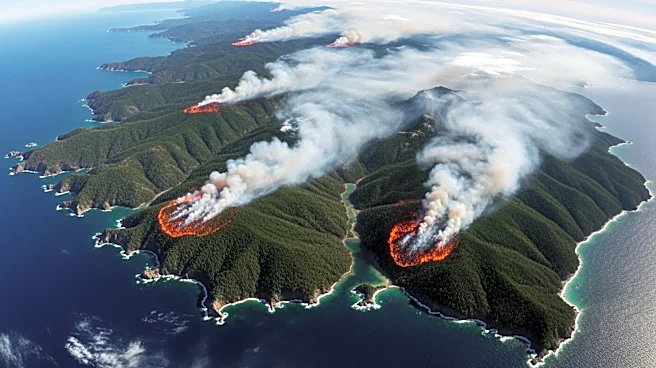
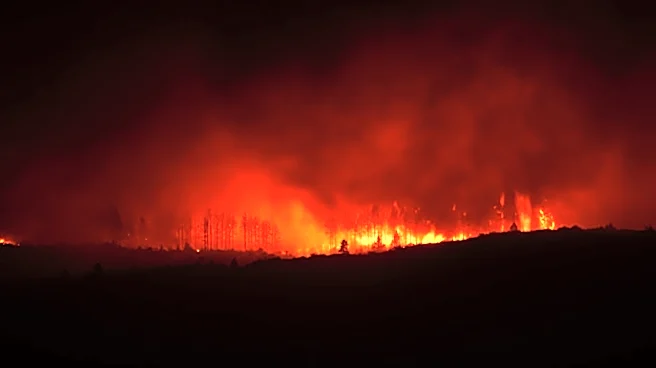
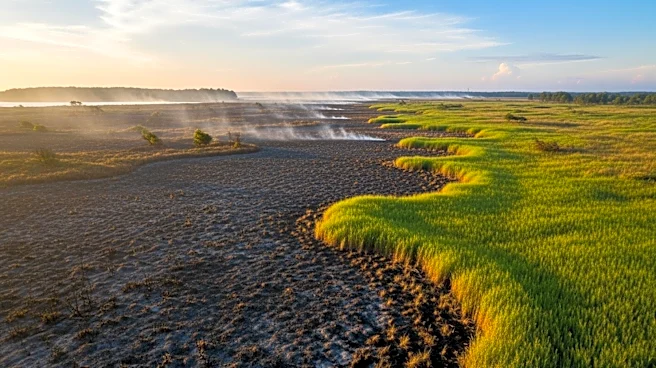
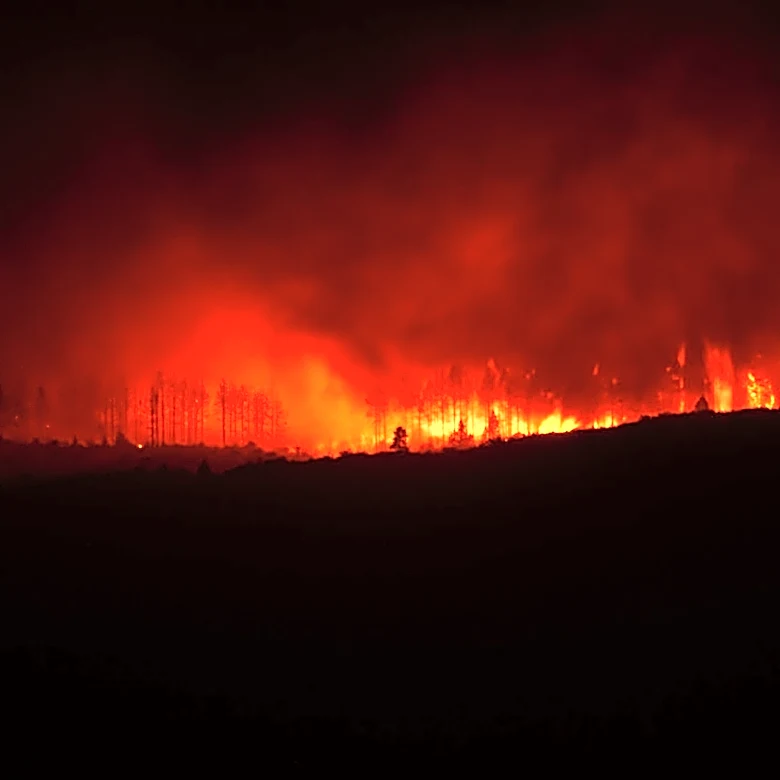
A wildfire on Santa Rosa Island, part of the Channel Islands National Park, has raised concerns about the impact on the island's unique ecosystem. The fire, which burned through a third of the island, threatened rare species such as the Torrey pines and Hoffmann’s
slender-flowered gilia. While the fire is now contained, the long-term effects on the island's flora and fauna remain uncertain. The island, known for its biodiversity, has not evolved with frequent fires, making the recovery process unpredictable. Researchers and conservationists are beginning assessments to understand the full impact and plan for restoration efforts.
Why It's Important?
Santa Rosa Island is a critical habitat for many endemic species, and the fire poses a significant threat to its biodiversity. The island's ecosystem is a microcosm of broader environmental challenges, highlighting the vulnerability of isolated habitats to climate change and human activity. The fire underscores the need for effective conservation strategies and emergency response plans to protect such unique environments. The incident also serves as a reminder of the interconnectedness of ecosystems and the potential for cascading effects when one component is disrupted.
What's Next?
Conservationists and scientists are mobilizing to assess the damage and develop recovery plans for Santa Rosa Island. Efforts will focus on protecting endangered species and restoring native vegetation. The Santa Barbara Botanic Garden and other organizations are prepared to assist with seed banks and replanting initiatives. As climate change continues to alter environmental conditions, there is an expectation of increased fire frequency, necessitating proactive measures to safeguard the island's ecological integrity. Public awareness and support for conservation efforts will be crucial in ensuring the island's resilience and recovery.