







What's Happening?
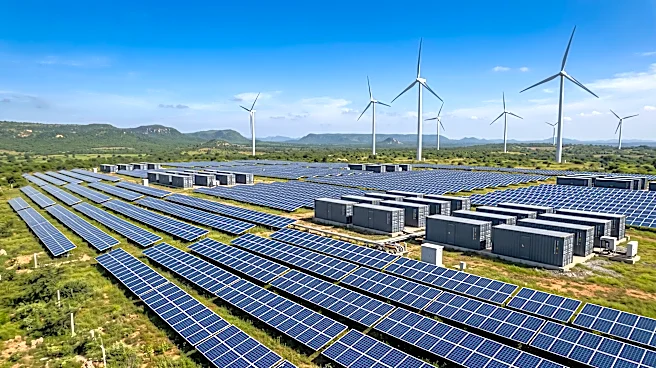
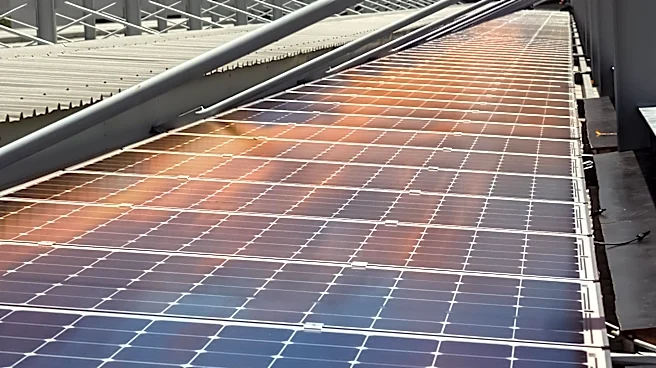
CKPower, a major renewable electricity producer, has commenced commercial operations of two new solar power plants in September 2026. These plants, developed jointly by Bangkhenchai Company Limited (BKC) and Bangkok Expressway and Metro Public Company Limited (BEM),
have a combined installed capacity of 7 MW. The clean electricity generated from these facilities is specifically designated to support Thailand’s mass transit system. This initiative aligns with the draft Thailand Power Development Plan (PDP 2026), which aims to increase the proportion of renewable energy and promote clean electricity trading within the country. CKPower is also actively exploring opportunities to sell Renewable Energy Certificates (RECs) to meet the growing demand for clean energy from various business and industrial sectors, further supporting Thailand's transition to clean energy.
Why It's Important?
This development is significant for Thailand's infrastructure and environmental goals. By supplying clean electricity to the mass transit system, CKPower is directly contributing to the reduction of carbon emissions associated with public transportation, fostering a more sustainable urban environment. The move supports the broader national objective outlined in the PDP 2026 to expand renewable energy sources and promote clean energy trading. This shift towards green energy in public transport can serve as a model for other urban centers in the region, demonstrating a tangible step towards combating climate change and improving air quality. Furthermore, the exploration of Renewable Energy Certificates indicates a growing market for clean energy, which could incentivize further investment and development in the sector, benefiting both the environment and the economy.
What's Next?
CKPower plans to continue expanding its investments in renewable energy, particularly by increasing its solar power generation capacity through Private Power Purchase Agreements (Private PPAs) and participating in government-led renewable energy project bidding. The company will also persist in exploring the sale of Renewable Energy Certificates to meet market demand. The broader context suggests that Thailand will likely see continued efforts to integrate renewable energy into its national grid and various sectors, driven by the PDP 2026. This could lead to more partnerships between energy producers and public utility providers, further greening the country's infrastructure and contributing to its clean energy transition goals.
Beyond the Headlines
The integration of renewable energy into mass transit systems highlights a growing global trend towards sustainable urban development. Beyond the immediate environmental benefits of reduced emissions, such initiatives can foster energy independence and resilience for cities. By diversifying energy sources and reducing reliance on fossil fuels, Thailand's mass transit system becomes less vulnerable to fluctuations in global energy markets. This strategic move also positions Thailand as a leader in sustainable infrastructure within Southeast Asia, potentially attracting further green investments and technological advancements. The ethical implication is a commitment to future generations, ensuring cleaner air and a more sustainable planet, while the economic implication is the creation of new green jobs and industries.