

What's Happening?
The European Union has proposed funding repairs to a damaged oil pipeline that supplies Hungary, aiming to resolve a dispute that has blocked significant EU aid to Ukraine. The pipeline, which crosses Ukrainian territory, was damaged in January, allegedly
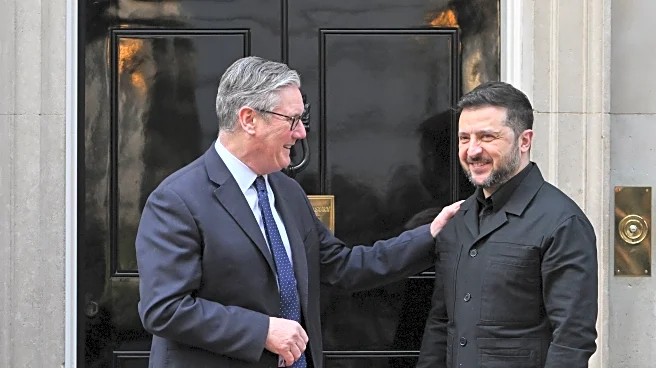
due to Russian drone attacks. Hungary's Prime Minister Viktor Orbán has accused Ukraine of deliberately withholding oil supplies, leading to his veto of a $106 billion EU aid package for Ukraine and new sanctions against Russia. The EU's offer includes technical support and funding to repair the pipeline, which Ukraine has accepted. Ukrainian President Volodymyr Zelenskyy opposes the transit of Russian energy through Ukraine, citing its role in funding Russia's war efforts.
Why It's Important?
The EU's intervention is crucial in addressing the ongoing feud between Ukraine and Hungary, which has significant implications for EU unity and support for Ukraine. The pipeline repair is essential for resuming oil supplies to Hungary and lifting the veto on EU aid, which is vital for Ukraine's military and economic needs. The situation underscores the complex interplay between energy politics and international relations, as well as the challenges of maintaining a united front against Russian aggression. The resolution of this dispute could pave the way for increased EU support for Ukraine, bolstering its defense against Russia.
What's Next?
The EU's offer is expected to facilitate the rapid repair of the pipeline, potentially leading to the lifting of Hungary's veto on the aid package. This development could enhance Ukraine's access to much-needed financial resources. However, the political dynamics between Hungary and Ukraine remain tense, with Orbán's domestic political considerations influencing his stance. The EU will continue to engage with both countries to ensure the successful implementation of the repair plan and the resumption of aid to Ukraine. The outcome of these efforts will be closely watched by international stakeholders.