








What's Happening?
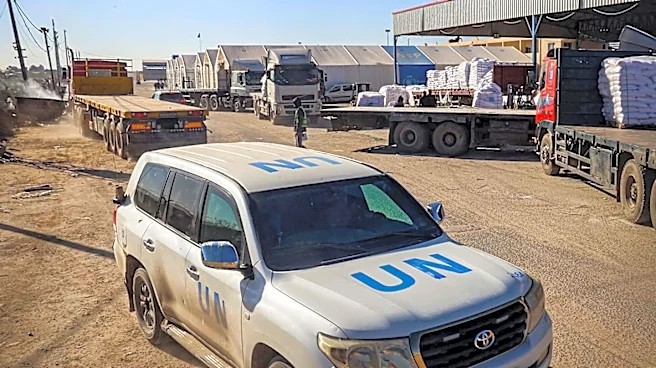
The Gaza Crossings and Borders Authority's weekly report for October 23-29, 2026, indicates a 10% decrease in total truck volume entering Gaza compared to the previous week, with 746 trucks recorded. This decline occurred despite a significant shift in the type
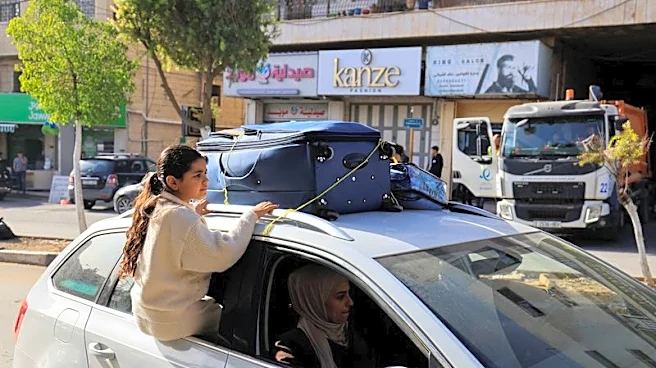
of goods transported. Commercial trucks saw an 80% increase, rising from 222 to 400, as a gradual resumption of commercial activity took hold. Conversely, aid trucks experienced a 46% drop, from 544 to 296, and fuel tankers decreased from 66 to 50. Food and provisions increased by 33%, while consumer and household goods halved. Shelter and relief supplies, along with medical supplies, also saw reductions. The Rafah crossing was open for two days, facilitating the departure of 387 people, including 214 evacuations. The Kerem Shalom crossing was operational for goods for six days, while Zikim and Kissufim remained closed. The report also noted that the number of trucks does not include a day of bombardment, suggesting the total figures might be a minimum.
Why It's Important?
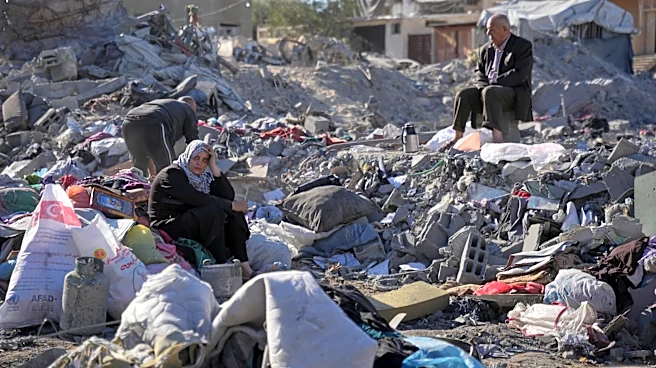
The fluctuating volume and composition of goods entering Gaza have significant implications for the humanitarian situation and economic recovery in the region. The increase in commercial trucks suggests a partial return to economic activity, which could offer some relief to local businesses and markets. However, the substantial decrease in aid trucks and essential supplies like medical provisions and shelter materials raises concerns about the well-being of the civilian population, especially as winter approaches. The limited operational days for passenger crossings like Rafah also highlight ongoing restrictions on movement for those seeking medical treatment or evacuation. The reliance on a single-source authority for this data, as noted in the report, underscores the challenges in independently verifying the full scope of humanitarian access and needs within Gaza.
What's Next?
The ongoing monitoring of crossing operational statuses and aid flows will be crucial in assessing the humanitarian situation in Gaza. Future reports from the Gaza Crossings and Borders Authority will likely continue to detail changes in truck volumes and cargo types, providing insights into the effectiveness of aid delivery and commercial recovery efforts. International organizations and humanitarian agencies will continue to advocate for sustained and unhindered access for essential supplies. The operational status of crossings like Rafah, Kerem Shalom, Zikim, and Kissufim will remain a key indicator of the level of access. Any further escalations or de-escalations in regional tensions could directly impact the frequency and volume of goods and people allowed to enter or exit Gaza, influencing the humanitarian response and economic stability.
Beyond the Headlines
The detailed breakdown of goods entering Gaza reveals underlying vulnerabilities and dependencies. The shift from aid-dominated shipments to an increase in commercial goods, while potentially signaling a move towards self-sufficiency, also highlights the precarious balance between humanitarian assistance and economic recovery. The reduction in medical supplies and shelter materials, even as overall commercial traffic rises, points to critical gaps that may not be filled by market forces alone. This situation underscores the complex interplay of political, economic, and humanitarian factors in the region. The continued closure of certain crossings and the intermittent operation of others reflect persistent geopolitical challenges that directly impact the daily lives of Gaza's residents, raising questions about long-term sustainability and the potential for recurring humanitarian crises.