







What's Happening?
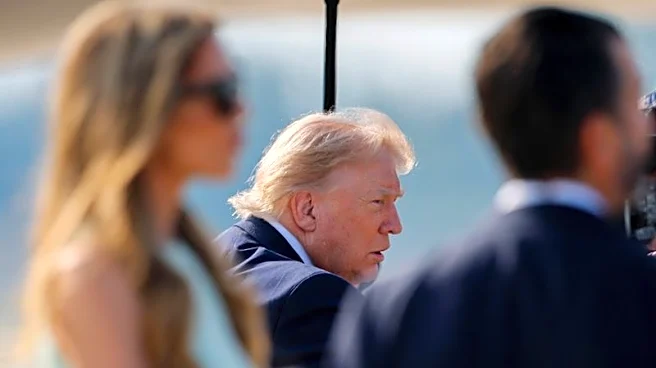
President Trump has dismissed a bipartisan housing bill as 'of minor importance,' despite the ongoing affordability crisis affecting many Americans, including his supporters. The U.S. is experiencing a significant housing shortfall, with home prices soaring
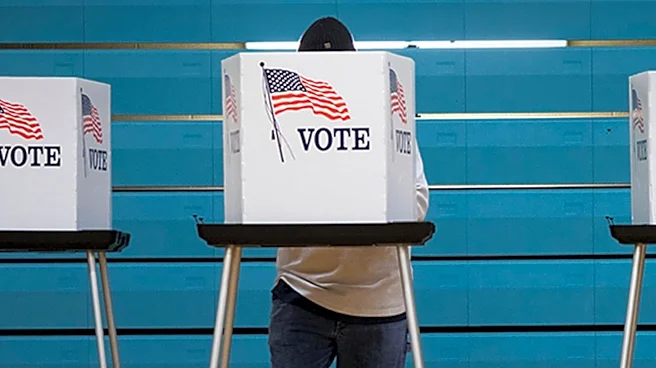
to more than five times the annual income of a typical family. In response, Congress passed legislation aimed at accelerating homebuilding by easing federal regulations. However, President Trump has refused to sign the bill unless Congress enacts measures to limit mail-in voting and require proof of citizenship, which he claims are necessary to protect democracy. This stance has drawn criticism as it appears to prioritize political objectives over addressing the housing crisis. The situation is exacerbated by rising inflation and energy costs, partly due to geopolitical tensions, which have further strained household budgets.
Why It's Important?
The refusal to sign the housing bill highlights a critical intersection of politics and public policy, where political maneuvers are impacting economic realities. The housing crisis is a pressing issue, with millions of Americans struggling to afford homes. By linking the housing bill to voting legislation, President Trump risks alienating his base, who are among those most affected by the affordability crisis. The decision could have broader implications for the U.S. economy, as housing is a significant driver of economic activity. Additionally, the move underscores the administration's prioritization of political goals over immediate economic relief, potentially leading to increased public discontent and political polarization.
What's Next?
The future of the housing bill remains uncertain as it is contingent on the passage of voting-related legislation. If the stalemate continues, the housing crisis may worsen, with potential political fallout for President Trump and his administration. Stakeholders, including housing advocates and political leaders, may increase pressure on the administration to decouple the housing bill from voting legislation. The situation could also influence upcoming elections, as housing affordability is a key issue for many voters. Additionally, the administration's approach to this issue may set a precedent for how political objectives are prioritized over economic needs in future policy decisions.