


What's Happening?
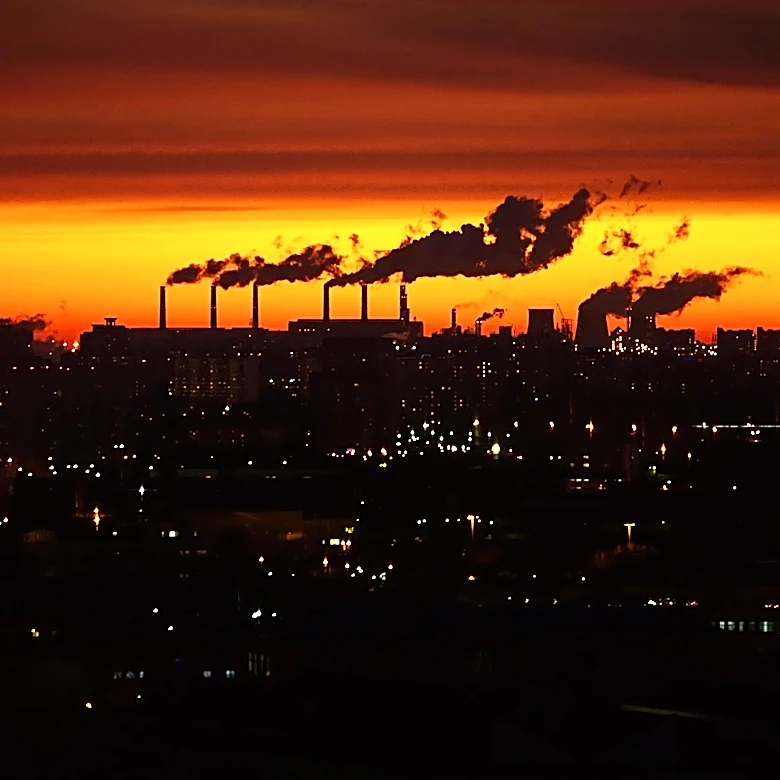
A new report by Consumer Watchdog raises concerns about the effectiveness and safety of Carbon Capture and Storage (CCS) technology in California. The report criticizes the technology as a costly and inadequate solution for reducing greenhouse gas emissions,
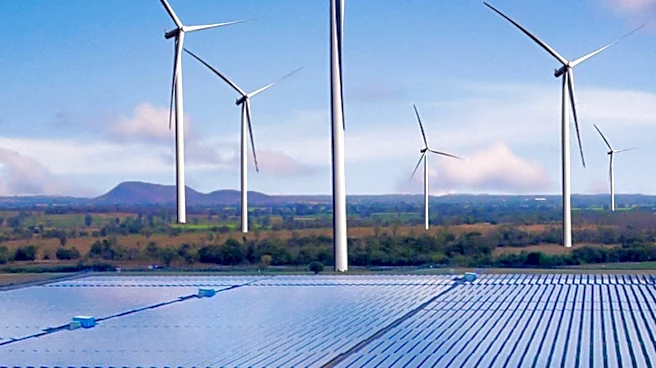
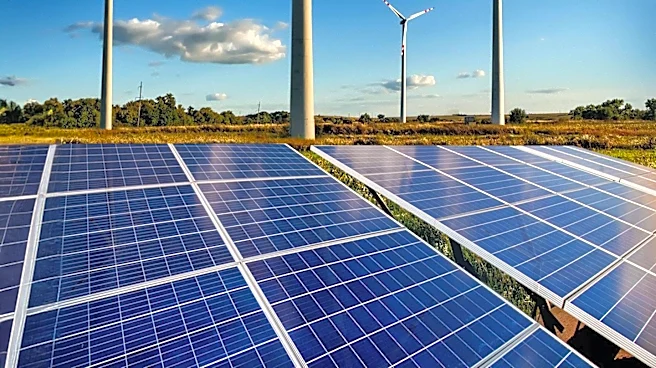
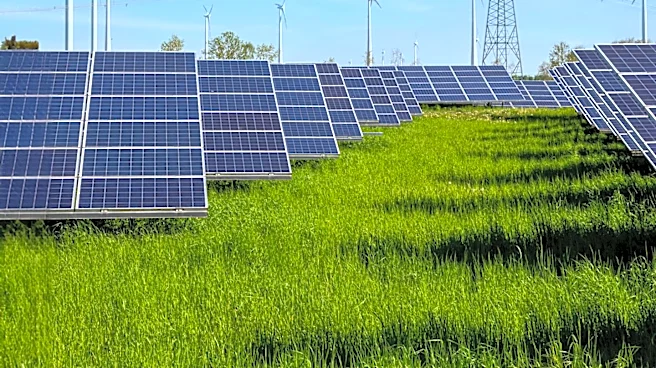
arguing that it serves as a lifeline for fossil fuel industries. The report highlights that CCS projects capture only a fraction of emissions and rely heavily on federal tax credits to remain viable. It also points out the potential risks associated with carbon dioxide pipelines, which are necessary for transporting captured emissions. The report calls for a shift towards renewable energy and improved energy efficiency as more effective means of addressing climate change.
Why It's Important?
The report by Consumer Watchdog challenges the growing reliance on CCS technology as a means to achieve decarbonization goals. It underscores the need for a comprehensive transition away from fossil fuels, emphasizing renewable energy and energy efficiency as more sustainable solutions. The findings could influence public opinion and policy decisions, potentially impacting the future of CCS projects in California and beyond. The report also highlights the financial implications of relying on CCS, as it depends on substantial government subsidies, raising questions about its long-term viability. This critique may prompt policymakers to reconsider the role of CCS in their climate strategies.
What's Next?
The report's findings may lead to increased scrutiny of CCS projects and their environmental impact. Policymakers and regulators could face pressure to prioritize renewable energy investments and implement stricter regulations on fossil fuel industries. The debate over CCS technology is likely to continue, with stakeholders from various sectors weighing in on its merits and drawbacks. As the conversation evolves, there may be calls for more transparency and accountability in the development and implementation of CCS projects. The outcome of this debate could shape the future of energy policy and climate action in California and other regions.