







What's Happening?
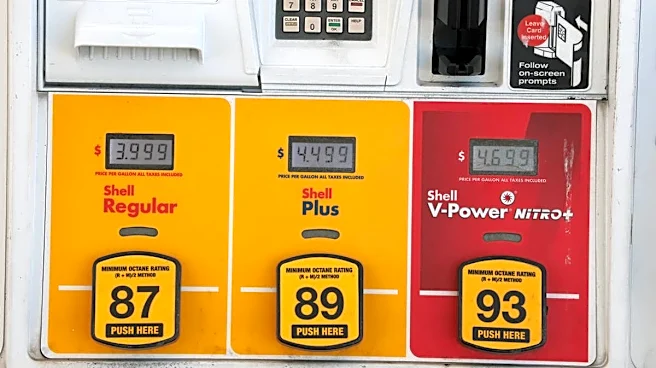
Diesel prices in the United States have surged above $5 per gallon, driven by escalating tensions in the Strait of Hormuz due to the ongoing conflict with Iran. This increase marks a significant rise from previous weeks when prices had been declining
amid peace talks. The resumption of hostilities has led to renewed concerns over global oil supply, as the Strait of Hormuz is a critical chokepoint for oil transportation. The U.S. Energy Information Administration reports that the national average diesel price has risen by 34 cents, reflecting the broader impact of the conflict on fuel costs.
Why It's Important?
The spike in diesel prices has far-reaching implications for the U.S. economy, particularly for industries reliant on transportation and logistics. Higher diesel costs can lead to increased expenses for trucking companies, which may subsequently raise shipping rates. This can affect the cost of goods and services across various sectors, contributing to inflationary pressures. The situation highlights the interconnectedness of global geopolitical events and domestic economic conditions, emphasizing the need for strategies to manage energy dependencies and mitigate the impact of international conflicts on local markets.
What's Next?
As the conflict with Iran continues, the potential for further disruptions in oil supply remains a concern. Policymakers and industry leaders may need to consider measures to stabilize fuel prices and ensure energy security. This could involve exploring alternative energy sources or enhancing domestic oil production capabilities. Additionally, businesses may need to adapt their operations to manage increased transportation costs, potentially affecting pricing strategies and supply chain logistics.