





What's Happening?
The Trump administration has permanently weakened a key provision of the Corporate Transparency Act (CTA), a law initially designed to combat money laundering and financial crimes. The Treasury's Financial Crimes Enforcement Network (FinCEN) issued a final
rule exempting U.S. individuals and companies from identifying the true owners of opaque companies. This move follows an interim rule from March 2025 that had already exempted U.S. companies from these requirements. The CTA, introduced in 2020 by then-Senator Marco Rubio, was hailed as a significant anti-corruption measure. However, the recent changes have sparked criticism from various lawmakers and legal experts who argue that it undermines efforts to combat financial crimes, including those linked to drug cartels and human trafficking.
Why It's Important?
The decision to exempt domestic entities from reporting ownership information could have significant implications for law enforcement and national security. Critics, including members of Congress and legal experts, argue that this change hinders the ability of prosecutors to distinguish between legitimate businesses and those used for illicit activities. The rollback is seen as a victory for business interests but poses risks by potentially facilitating money laundering and other financial crimes. The exemption could benefit individuals like Elon Musk, who reportedly uses a network of secretive companies for various transactions. This development raises concerns about the U.S. financial system's vulnerability to abuse by criminals and foreign adversaries.
What's Next?
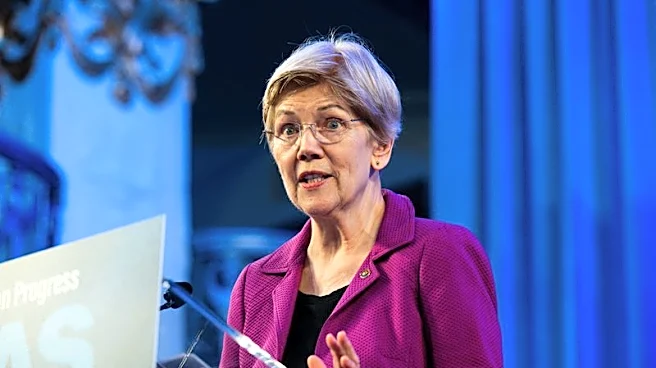
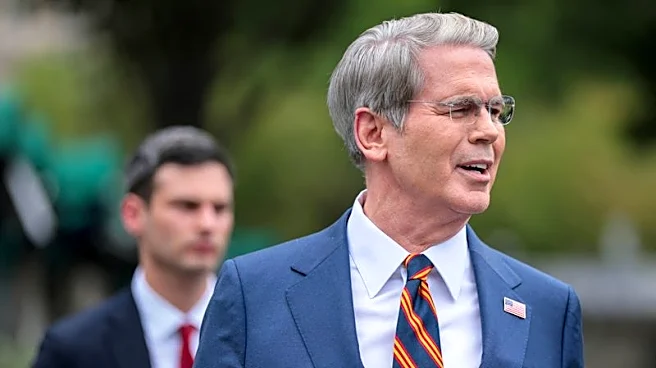
The rule change is likely to face continued opposition from lawmakers and advocacy groups. Democratic lawmakers, including Senator Elizabeth Warren, have called for Treasury Secretary Scott Bessent to reverse the decision and testify before Congress to explain the rationale behind the exemption. The ongoing debate may lead to legislative efforts to restore the original provisions of the CTA or introduce new measures to address the gaps created by the exemption. The situation also highlights the broader tension between regulatory oversight and business interests, which could influence future policy decisions in the financial sector.