








What's Happening?
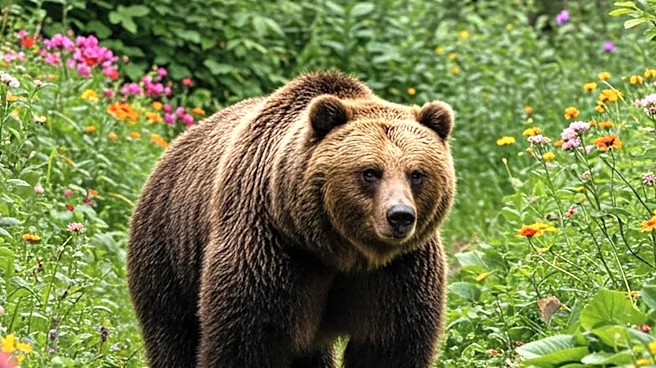
The western United States is experiencing a record year for bear conflicts in 2026, with wildlife agencies reporting unprecedented numbers of sightings, incidents, and euthanizations. Colorado Parks and Wildlife (CPW) recorded over 11,000 bear reports
and 11 attacks on people by late September, a significant increase from previous years. New Mexico wildlife managers reported a record 307 black bears killed, including the state's first fatal bear attack in 25 years. Utah euthanized 39 bears, a new annual record, and Montana reported grizzlies moving into areas not used in decades. An analysis by the Anchorage Daily News indicates rising human-bear encounters in at least 15 states. This surge is attributed to a combination of natural food failures, including drought, record-low snowpack, and late-spring freezes, which have reduced bears' natural food sources like berries and acorns. Consequently, bears are increasingly seeking food from human sources such as trash, pet food, and homes, leading to food conditioning and a loss of wariness towards humans.
Why It's Important?
The significant increase in bear conflicts poses substantial safety concerns for residents and outdoor enthusiasts in bear country across the western U.S. The rise in incidents, including home entries and property damage, indicates a growing interface between human populations and wildlife. This trend places a considerable burden on wildlife management agencies, which are responding with increased euthanizations and relocations, highlighting the challenges of coexisting with expanding bear populations. For communities at the wildland edge, the risk of dangerous encounters is elevated, necessitating greater vigilance and adherence to safety protocols. The economic impact could include increased costs for wildlife management, potential property damage, and a possible deterrent effect on outdoor recreation in affected areas. The situation also underscores the broader ecological implications of climate-related events like drought and extreme weather on wildlife behavior and human-wildlife interactions.
What's Next?
As bears enter hibernation, the number of conflict reports is expected to decrease. However, wildlife officials anticipate that food-conditioned bears may remember and return to human food sources when they emerge in spring 2027, potentially leading to a second wave of conflicts. State wildlife agencies, such as CPW, plan to release finalized 2026 figures next year, which will provide a comprehensive overview of the season's impact. In the interim, authorities are emphasizing proactive measures for residents, including securing trash in bear-resistant containers, removing bird feeders, picking ripe fruit, cleaning grills, and locking doors and windows. These steps are crucial to prevent bears from becoming habituated to human food and to mitigate future conflicts. Continued monitoring of bear populations and environmental conditions will be essential to understand long-term trends and adapt management strategies.
Beyond the Headlines
The record number of bear conflicts in 2026 highlights a deeper ecological challenge driven by climate change and human encroachment. The failure of natural food sources due to drought and extreme weather directly impacts wildlife survival strategies, pushing bears into closer proximity with human settlements. This situation raises ethical questions about human responsibility in managing shared landscapes and the consequences of altering natural habitats and food chains. The concept of 'food conditioning' illustrates how human behaviors, such as improper waste management, can inadvertently train wildlife to become dependent on human resources, often leading to tragic outcomes for the animals. This year's events serve as a stark reminder of the delicate balance between human development and wildlife conservation, urging a reevaluation of land use policies, waste management practices, and public education campaigns to foster more sustainable coexistence strategies.