


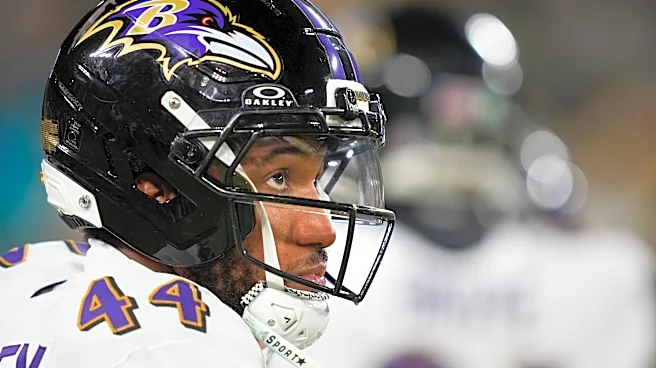
What's Happening?
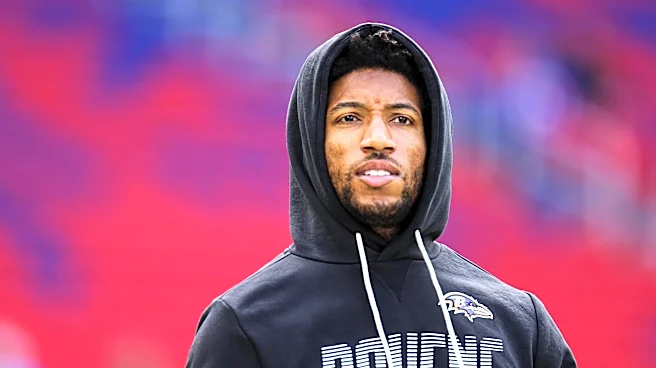
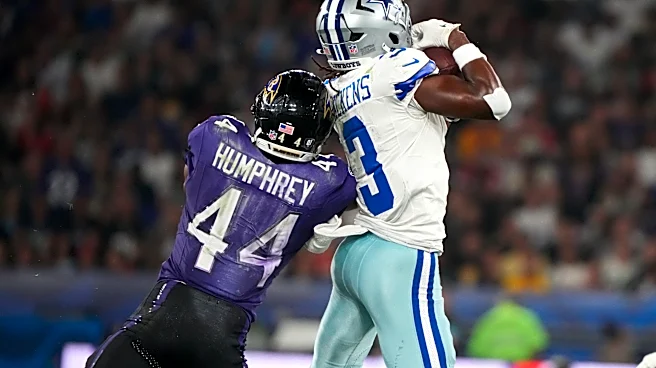
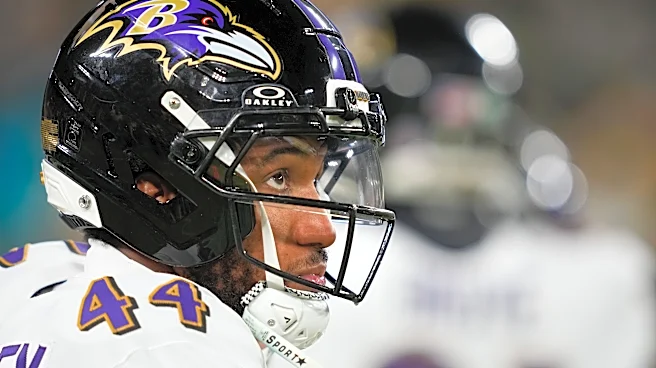
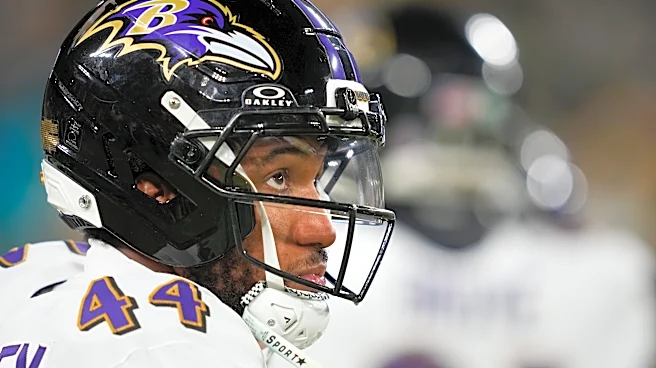
Baltimore Mayor Brandon M. Scott has issued a strong response to comments made by Baltimore Ravens star Marlon Humphrey, who suggested on his podcast that Baltimore is the best city for creating 'criminals.' While acknowledging Humphrey's subsequent apology,
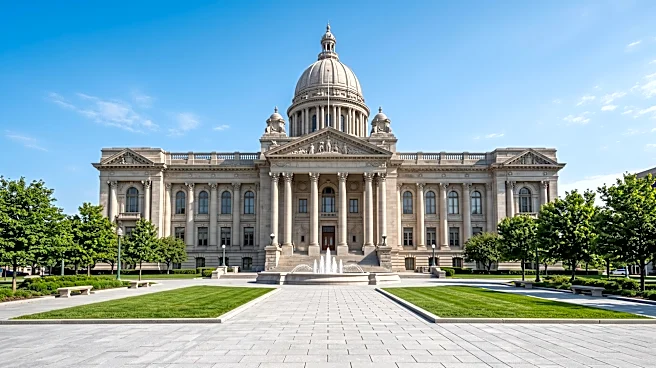
Mayor Scott stated that a verbal apology was 'not enough.' In an Instagram statement, Mayor Scott highlighted the impact of such remarks on the city's youth, who view the Ravens as a source of inspiration. He emphasized that such comments, which relegate young people to criminality, are deeply hurtful. Mayor Scott has extended an invitation to Humphrey to meet with him and 'recently reformed citizens' from the community. The purpose of this meeting would be to engage in a 'healthy conversation' and for Humphrey to gain a deeper understanding of the community he plays for and the implications of his words.
Why It's Important?
This incident underscores the significant influence public figures, particularly athletes, have on local communities and the potential for their words to cause offense or reinforce negative stereotypes. For Baltimore, a city actively working to overcome challenges and promote positive narratives, Humphrey's comments were seen as a setback. Mayor Scott's response is important because it asserts civic leadership in defending the city's image and advocating for its residents, especially its youth. By inviting Humphrey to engage with reformed citizens, the Mayor is attempting to transform a negative incident into an educational opportunity, fostering dialogue and understanding rather than just condemnation. This approach highlights the responsibility of public figures to be mindful of their platform and the impact of their statements on the communities they represent, particularly in cities with complex social dynamics.
What's Next?
The immediate next step is whether Marlon Humphrey will accept Mayor Scott's invitation to sit down with him and reformed citizens. If Humphrey accepts, this meeting could serve as a powerful moment for reconciliation and education, potentially leading to a more constructive relationship between the athlete and the community. If he declines, the controversy may linger, potentially affecting his public image within Baltimore. The incident also serves as a reminder for other public figures to exercise caution and sensitivity when discussing local issues. The Mayor's firm but open approach suggests a desire to move beyond the initial offense and work towards a more unified community, where athletes and civic leaders collaborate to uplift the city's image and support its residents.
Beyond the Headlines
This event touches upon broader themes of athlete responsibility, community representation, and the power of language in shaping public perception. In an era where athletes often have direct access to large audiences through social media and podcasts, the line between personal opinion and public impact can become blurred. Mayor Scott's reaction highlights the expectation that professional athletes, especially those playing for a city's team, should be ambassadors for that city. The invitation to meet with 'reformed citizens' also speaks to the ongoing efforts within Baltimore and other U.S. cities to address crime and support rehabilitation, emphasizing the human element behind statistics and stereotypes. This incident could spark wider conversations about how sports organizations and city leaders can better educate athletes on local community issues and foster a deeper sense of civic engagement.