






What's Happening?
U.S. community colleges are actively transforming their library spaces into modern learning commons, incorporating 'zen spaces' and accessibility features to better support diverse student needs. Flathead Valley Community College (FVCC) in Montana recently
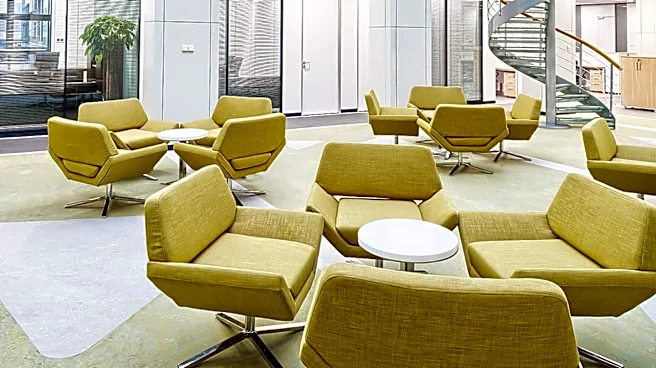
won a national excellence award for its renovated Broussard Family Library, which now includes a redesigned recording setup, a makerspace with laser engravers and 3D printers, and expanded public services. Similarly, Black Hawk College (BHC) in Illinois secured a $10,000 grant from the American Library Association to make its spaces more accommodating for neurodiverse students, planning upgrades like soundproof pods, adjustable lighting, and tools for relaxation. Oakton College in Illinois also transformed its Des Plaines campus library into a learning commons, integrating tutoring, technology support, and student services into a 'one-stop shop.' These initiatives aim to create more inviting and functional environments, moving away from traditional, rigid library models to spaces that foster student well-being and academic success.
Why It's Important?
The shift towards creating 'zen spaces' and enhancing accessibility in community college libraries is crucial for addressing the evolving needs of a diverse student population. Many community college students balance academics with work, family, and long commutes, making accessible and supportive campus resources vital. By providing calming environments, stress-reduction tools, and specialized accommodations for neurodiverse students, colleges can significantly improve student retention and academic performance. These redesigned spaces act as essential 'third spaces' outside of home and classroom, offering quiet study areas, technology access, and personalized support that might not be available elsewhere. The integration of services like tutoring and IT support into learning commons streamlines access to critical resources, removing barriers to success and fostering a more inclusive educational experience. This trend reflects a broader understanding of student well-being as integral to academic achievement.
What's Next?
The trend of enhancing community college learning environments is expected to continue, with more institutions likely to adopt similar strategies. Black Hawk College's library renovation, slated to begin this fall, will explore features like private booths, noise-canceling headphones, and fidget baskets, informed by direct student feedback. This emphasis on student input suggests a future where learning spaces are increasingly tailored to user preferences and needs. Colleges will likely continue to seek grants and funding to support these upgrades, focusing on universal design principles to ensure spaces are beneficial for all learners. The success of institutions like FVCC, which received national recognition for its efforts, may encourage other community colleges to invest further in modernizing their facilities and expanding their service offerings to better serve their communities.
Beyond the Headlines
Beyond the immediate benefits of improved study environments, the creation of 'zen spaces' and accessible learning commons in community colleges signifies a deeper cultural shift in higher education. It acknowledges the importance of mental well-being and inclusivity as fundamental components of academic success, particularly for a generation that values 'third spaces' where they can be authentic. This approach moves beyond simply providing academic resources to actively cultivating environments that reduce stress, support neurodiversity, and foster a sense of belonging. The integration of diverse services under one roof also reflects a holistic view of student support, recognizing that academic challenges are often intertwined with personal and logistical hurdles. This evolution in campus design could lead to more innovative pedagogical approaches and a more student-centered educational paradigm across the U.S.