






What's Happening?
A new global survey conducted by Johnson & Johnson indicates that fewer than half of women connect eye health changes with menopause, despite a significant number experiencing symptoms like dry eyes, irritation, or blurred vision. The survey, which included
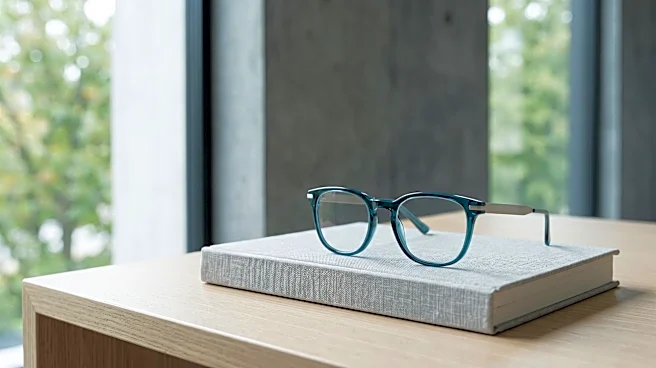
6,000 women aged 35 to 60 across six countries including the U.S., found that only 40% recognize the link between menopause and eye changes. While 75% of women take action to manage other midlife changes, only 18% have an annual eye exam as part of this routine. The findings highlight a considerable awareness gap, with 66% reporting dry or irritated eyes and 60% experiencing blurred vision, yet only 18% have discussed these issues with an eye care professional. Many women resort to workarounds, such as enlarging text or using phone flashlights, rather than seeking professional help. In response, Johnson & Johnson is collaborating with actress and menopause advocate Naomi Watts and the American Optometric Association (AOA) during Menopause Awareness Month to encourage women to prioritize eye health as part of their midlife care.
Why It's Important?
This lack of awareness has significant implications for women's health and the healthcare industry in the U.S. Many women are silently enduring vision changes that could be addressed, impacting their quality of life, confidence, and daily activities like reading, working, and driving. The survey reveals a missed opportunity for early detection and management of eye conditions that may worsen if left untreated. For the optometry and ophthalmology sectors, this presents a clear call to action to educate patients and integrate discussions about menopause into routine eye exams. By increasing awareness, healthcare providers can better serve a large demographic, potentially leading to more frequent eye care visits and the adoption of solutions like multifocal contact lenses. Furthermore, the collaboration with a public figure like Naomi Watts can help destigmatize menopause-related health issues and encourage more open conversations between women and their healthcare providers, ultimately improving overall women's health outcomes.
What's Next?
Johnson & Johnson, Naomi Watts, and the American Optometric Association will continue their campaign to raise awareness about the connection between menopause and eye health. This initiative aims to encourage women to recognize changes such as dryness, irritation, blurry near vision, and headaches, and to book comprehensive eye exams. The AOA will also provide resources to optometrists to facilitate conversations with patients about menopause-related eye changes and available care options. Women are advised to proactively discuss any vision changes with their eye care professionals, ensuring that eye health becomes an integral part of their midlife wellness routines. The ongoing efforts will focus on turning awareness into action, helping women understand that solutions are available and that they do not need to adapt to these changes without professional guidance.
Beyond the Headlines
The survey's findings underscore a broader societal issue regarding women's health, particularly around menopause, which has historically been under-discussed and often overlooked in medical conversations. The tendency for women to 'work around' symptoms rather than seeking professional help highlights a potential gap in patient education and healthcare accessibility or comfort. This initiative could catalyze a shift in how menopause is perceived and managed, moving it from a private, often silently endured experience to a more openly discussed and medically addressed life stage. By integrating eye health into the broader menopause dialogue, it challenges the notion that certain symptoms are simply an unavoidable part of aging, promoting a more proactive and holistic approach to women's health. This could lead to improved diagnostic practices, better patient-provider communication, and ultimately, a higher quality of life for women navigating midlife changes.