







What's Happening?
The U.S. military has nearly exhausted its stockpile of long-range precision-guided missiles during the five-month conflict with Iran. Reports indicate that the Army Tactical Missile System (ATACMS) and Precision Strike Missile (PrSM) stockpiles have
been significantly depleted. This situation has raised concerns about Washington's deterrence capabilities and readiness for future conflict scenarios. Despite these reports, President Trump has denied any shortage, asserting that the U.S. has ample ammunition. The depletion of missile stockpiles has highlighted the need for increased production and replenishment efforts.
Why It's Important?
The depletion of missile stockpiles poses a significant risk to U.S. national security and its ability to respond to future threats. The shortage of critical ammunition could limit the U.S. military's operational capabilities, particularly in high-intensity conflict scenarios. This situation also impacts the U.S.'s deterrence capabilities against adversaries like Russia and China. The reliance on these advanced missile systems underscores the importance of maintaining robust stockpiles to ensure military readiness and strategic advantage.
What's Next?
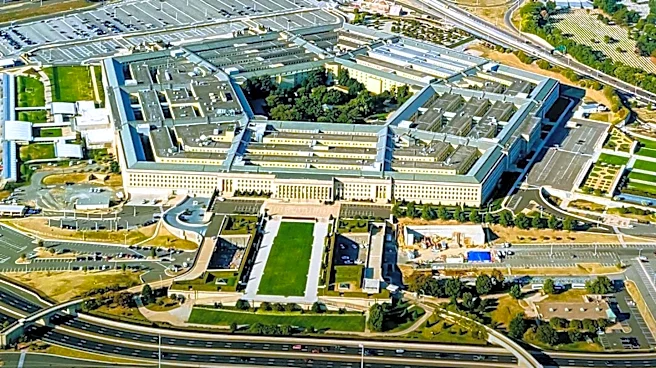
In response to the depletion, the U.S. Department of Defense has initiated efforts to increase production capacities for key missile systems. Agreements have been signed to triple and quadruple the production of PAC-3 MSE and THAAD missiles, respectively. This move aims to replenish depleted stockpiles and ensure long-term supply stability. The Pentagon's strategy involves working directly with component suppliers to address production bottlenecks and optimize manufacturing capabilities. These efforts are crucial to restoring the U.S. military's missile reserves and maintaining its strategic posture.