
What's Happening?
A recent report from the Iowa Nuclear Energy Task Force advocates for the aggressive development of nuclear power within the state. This recommendation comes as Iowa faces the steady retirement of fossil
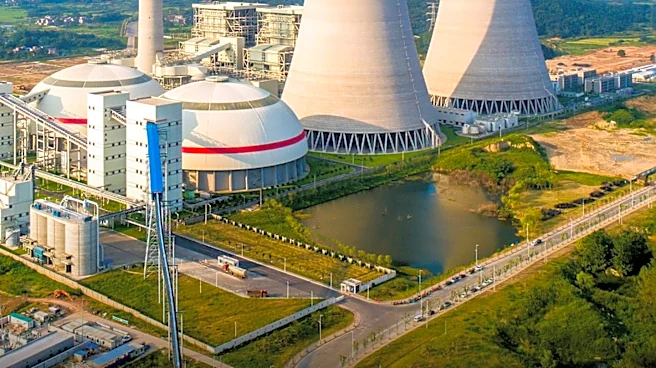
fuel plants across the country, with over a third of its current electricity still generated from burning coal and natural gas. The task force highlights nuclear power's safety and reliability, citing its low total deaths per unit of electricity produced and minimal public health impact compared to other energy sources. The report also addresses concerns about nuclear waste, noting that while fossil fuel waste is released into the atmosphere, nuclear waste is fully contained. The total volume of spent nuclear fuel produced in the U.S. since the 1950s is described as remarkably small, estimated to fit on a football field at a depth of approximately 10 yards. The task force suggests that tax credits and financial support for nuclear energy are justifiable, similar to other energy investments, and are crucial for establishing a reliable, carbon-free energy mix alongside wind and solar power.
Why It's Important?
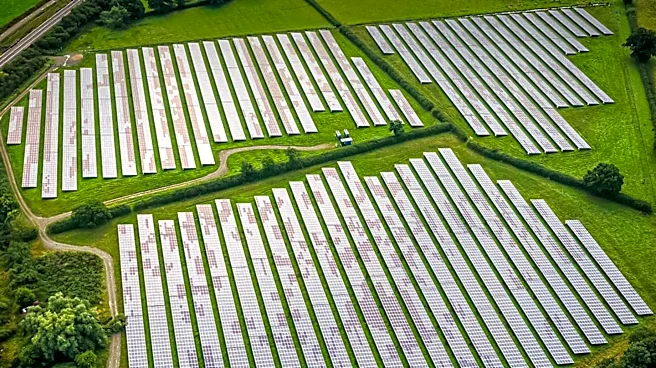
The push for nuclear energy in Iowa carries significant implications for the state's energy landscape and economic future. By transitioning from fossil fuels to nuclear power, Iowa aims to reduce its carbon footprint and enhance energy independence, as nuclear plants operate nearly continuously, unlike intermittent wind and solar sources. This shift could lead to substantial economic benefits, as a large portion of a nuclear plant's operating costs, including salaries and maintenance, supports local economies. In contrast, fossil fuel plants often require continuous sourcing of coal and gas from outside the state. Furthermore, nuclear power requires less land compared to other energy sources, which is an important consideration for land-intensive states like Iowa. The report's recommendations, if adopted, could position Iowa as a leader in nuclear development, building on its historical contributions, such as Iowa State University chemists being the first to scale up uranium metal production. This move could also influence national energy policy discussions, demonstrating a viable path for other states looking to diversify their energy portfolios and achieve carbon reduction goals.
What's Next?
Following the Iowa Nuclear Energy Task Force's report, the next steps involve the state government's consideration and potential adoption of its recommendations. Expanding nuclear power beyond Linn County, where the Duane Arnold Energy Center is located, will require significant time and investment. This process will likely involve legislative actions to implement tax credits and other financial support mechanisms for nuclear energy projects. Public engagement and education will also be crucial to address lingering concerns about safety and waste storage, despite the task force's assurances. The state will need to develop a comprehensive plan for integrating nuclear power with existing wind and solar infrastructure to create a robust and reliable carbon-free energy grid. Additionally, there may be increased collaboration with federal agencies, such as the Department of Energy, to facilitate the development and regulatory processes for new nuclear facilities. The success of Iowa's aggressive pursuit of nuclear energy could serve as a model for other states contemplating similar transitions.
Beyond the Headlines
The debate surrounding nuclear energy in Iowa, as highlighted by the task force report, touches upon deeper societal and environmental considerations. Beyond the immediate economic and energy independence benefits, the embrace of nuclear power represents a strategic long-term commitment to a specific form of carbon-free energy. This commitment could influence the state's technological infrastructure, workforce development, and scientific research for decades. The discussion also implicitly addresses the balance between energy security and environmental stewardship, suggesting that nuclear power can play a critical role in achieving both. Furthermore, the report's emphasis on the contained nature of nuclear waste, in contrast to atmospheric fossil fuel emissions, reframes the environmental impact discussion, challenging common perceptions about nuclear energy's drawbacks. This shift in perspective could foster a broader re-evaluation of nuclear power's role in the national energy mix, potentially leading to increased investment and innovation in advanced nuclear technologies and waste management solutions across the U.S.