







What's Happening?
New York City health officials have announced that over two dozen individuals who were affected by a Legionnaires' disease outbreak on the Upper East Side have been discharged from the hospital. The cluster of cases had raised concerns among residents
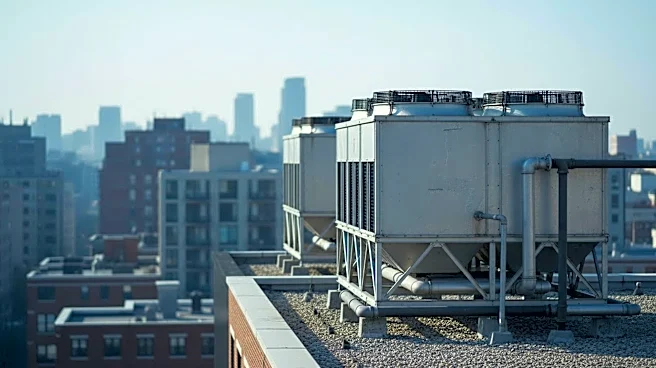
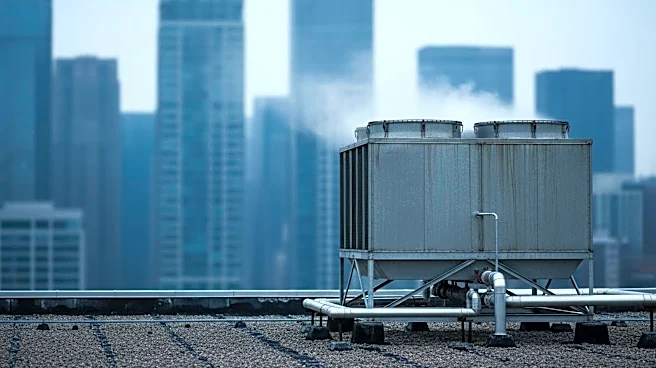
and health authorities, prompting a swift response to identify and mitigate the source of the outbreak. Legionnaires' disease is a severe form of pneumonia caused by the Legionella bacteria, often found in water systems. The health department has been actively monitoring the situation and working to ensure that the affected water systems are treated to prevent further cases.
Why It's Important?
The discharge of these patients marks a significant step in managing the outbreak and alleviating public concern. Legionnaires' disease can be fatal, especially for individuals with compromised immune systems or underlying health conditions. The swift response by health officials highlights the importance of rapid intervention in public health crises. This incident underscores the need for regular maintenance and monitoring of water systems in urban areas to prevent such outbreaks. The situation also serves as a reminder of the potential health risks associated with aging infrastructure in densely populated cities like New York.
What's Next?
Health officials will continue to monitor the situation closely to ensure no new cases emerge. They are likely to conduct further inspections and testing of water systems in the area to confirm that the source of the bacteria has been effectively addressed. Public health advisories may be issued to inform residents about preventive measures and symptoms to watch for. The city may also consider implementing stricter regulations and guidelines for the maintenance of water systems to prevent future outbreaks.