




What's Happening?
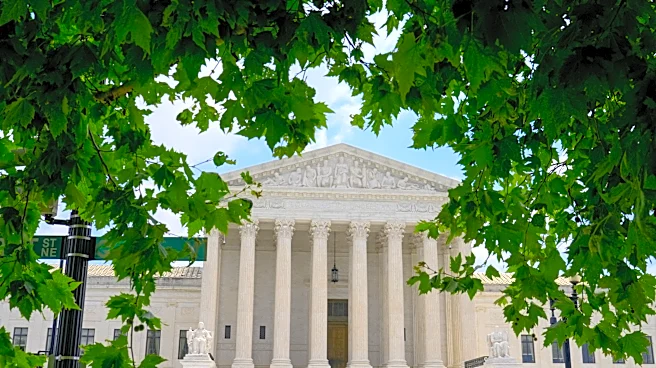
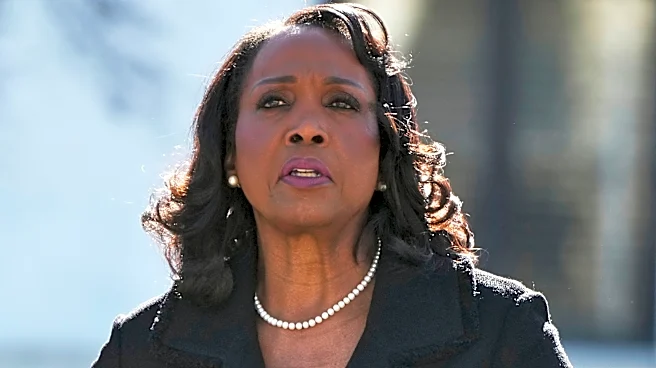
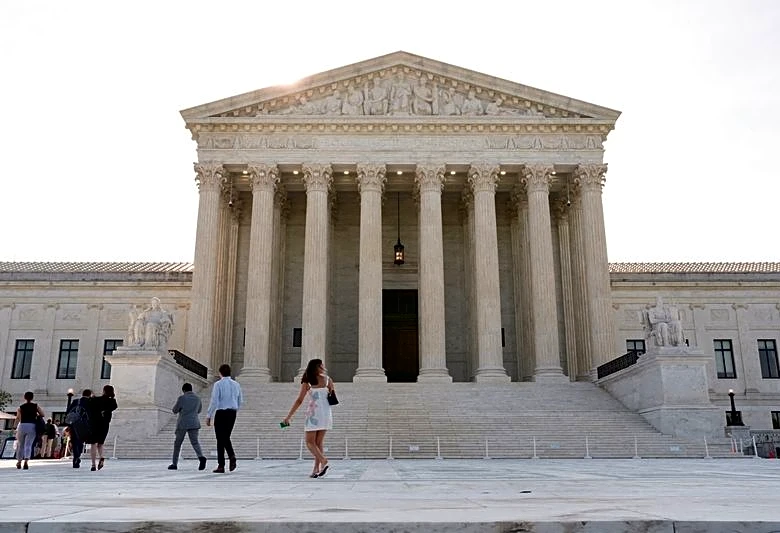
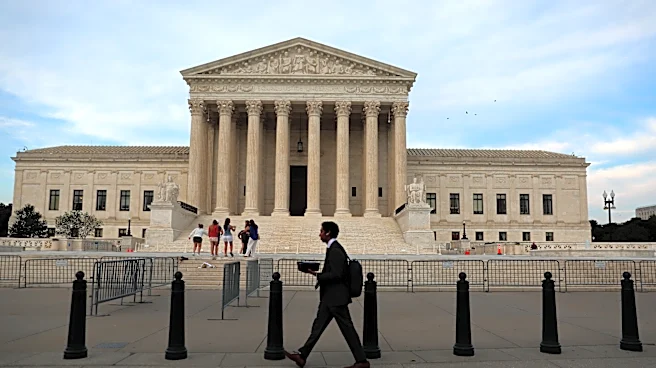
The U.S. Supreme Court has temporarily blocked President Trump's attempt to remove Shira Perlmutter, the director of the U.S. Copyright Office, from her position. The decision allows Perlmutter to remain in her role while lower courts review the case.
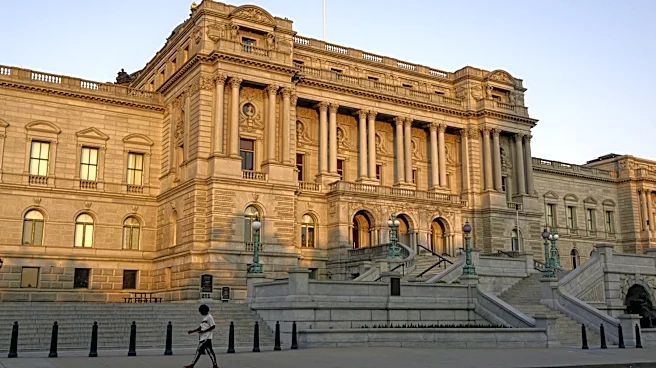
The dispute began when President Trump attempted to replace the former Librarian of Congress and remove Perlmutter, citing her position as part of the executive branch. However, a lower court ruled that the Copyright Office is part of the legislative branch, limiting the president's authority to remove its director. The Supreme Court's decision comes amid broader rulings on presidential power, emphasizing the separation of powers between branches of government.
Why It's Important?
This case underscores the ongoing tension between executive authority and legislative independence. The Supreme Court's decision to allow Perlmutter to remain in her position highlights the complexities of defining the boundaries of presidential power, particularly concerning independent agencies. The outcome of this case could have significant implications for the structure and governance of federal agencies, potentially affecting how future administrations interact with independent bodies. It also raises questions about the balance of power between the executive and legislative branches, a fundamental aspect of the U.S. constitutional framework.
What's Next?
The case will continue to be reviewed by lower courts, which will assess the legal arguments regarding the separation of powers and the classification of the Copyright Office. Depending on the outcome, the case may return to the Supreme Court for a final decision. The Trump administration may continue to pursue legal avenues to assert executive control over independent agencies. Meanwhile, the case could prompt legislative action to clarify the roles and responsibilities of federal agencies, potentially leading to reforms in how these entities are governed.