






What's Happening?
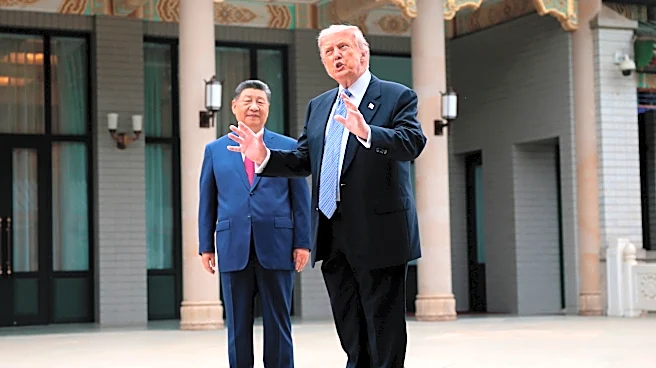
President Donald Trump has returned from a state visit to China to confront a challenging economic situation in the United States, marked by escalating inflation. The annual consumer inflation rate increased to 3.8% in April, driven by factors such as the ongoing
Iran war and tariffs imposed by the Trump administration. The Cleveland Federal Reserve projects that inflation could reach 4.2% in May, as high oil and gasoline prices persist. Despite President Trump's claims of potential trade deals with China, the visit is unlikely to significantly alleviate the economic pressures at home. The rising costs of essential goods and services, including gasoline, groceries, and utilities, are outpacing wage gains, effectively reducing workers' purchasing power.
Why It's Important?
The rising inflation poses significant challenges for the U.S. economy and could have political ramifications as the country approaches the November general elections. Inflation is a critical issue for voters, and the current economic conditions may undermine the Republican party's campaign strategies, which previously focused on tax cuts. The situation presents an opportunity for Democrats to criticize the administration's handling of economic issues. Additionally, the increase in inflation affects the cost of servicing national debt, potentially leading to higher interest rates for consumer loans and mortgages. The economic pressures could influence public sentiment and voter behavior in the upcoming elections.
What's Next?
As inflation continues to rise, the Trump administration may face increased pressure to implement measures to stabilize the economy and address the cost of living concerns. The administration's focus on foreign policy, particularly the Iran war, may need to be balanced with domestic economic priorities. The potential introduction of new tariffs and the impact of supply chain disruptions could further complicate the economic landscape. Political leaders and economic stakeholders will likely monitor the situation closely, as the administration's response to inflation could influence both economic stability and political outcomes.