




What's Happening?
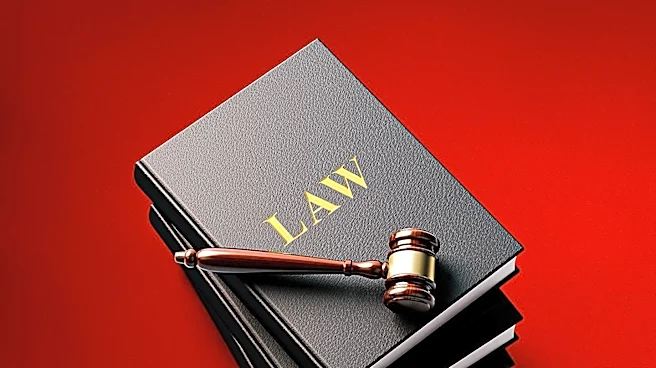
Tjada McKenna, CEO of the U.S.-based humanitarian organization Mercy Corps, has called for a 'fresh look' at the United Nations system and the laws of war. Speaking to The National, McKenna highlighted the surge in Middle East conflicts, rising global
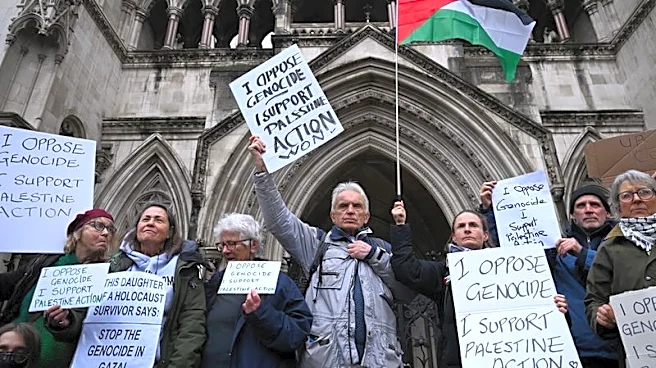
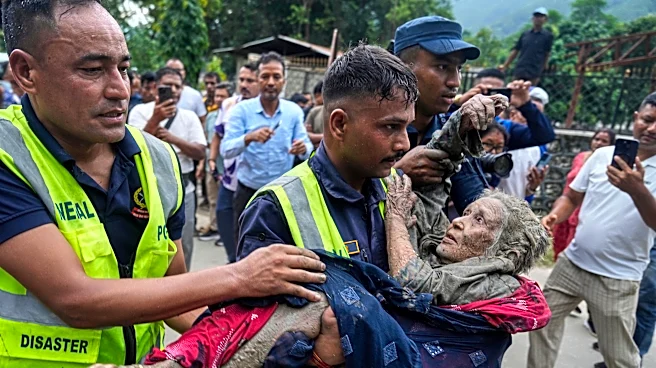
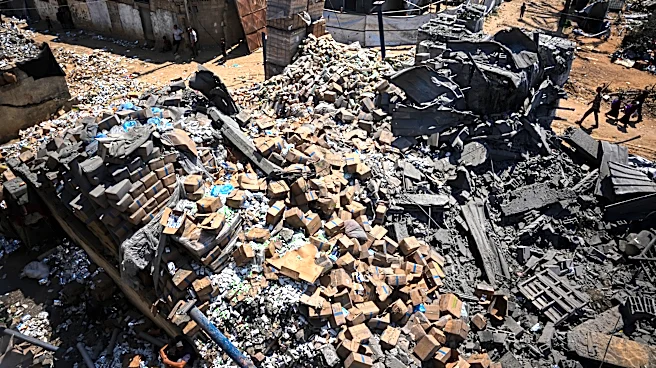
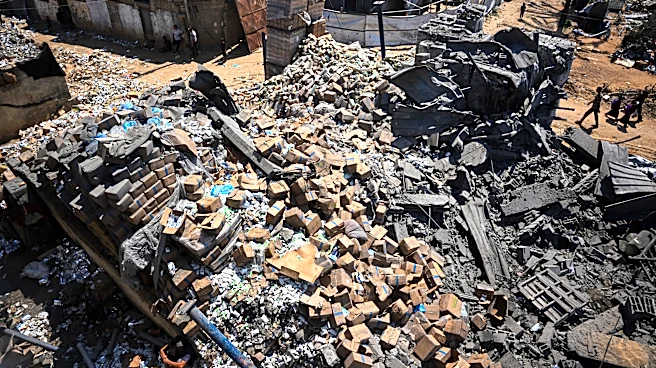
hunger, and unpunished breaches of international humanitarian law as reasons for this urgent re-evaluation. She noted that international humanitarian law, designed to protect civilians, medics, and aid workers, has been disregarded in numerous conflicts worldwide, making the past year one of the deadliest for aid workers, particularly in Gaza. McKenna criticized the UN Security Council's structure, which has remained largely unchanged for 80 years and grants veto power to five countries, reflecting the victors of the Second World War. She emphasized that these systems are being 'tested and violated' and stressed the need for new approaches and accountability.
Why It's Important?
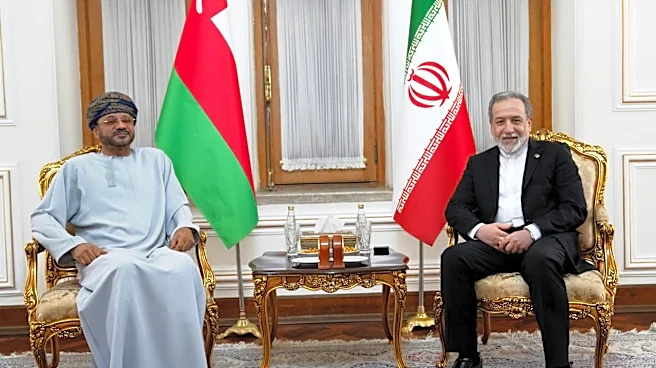
McKenna's call for reform underscores a critical juncture in global humanitarian efforts and international governance. The continued flouting of international humanitarian law not only endangers aid workers and civilians but also erodes the foundational principles of global cooperation and protection. The ineffectiveness of existing diplomatic mechanisms, as evidenced by failed peace efforts in Gaza, Ukraine, and the Strait of Hormuz, highlights a systemic challenge. The shift in focus from preventing crises to merely providing emergency assistance is also a significant concern, as McKenna points out that proactive measures are seven times more cost-effective than reactive aid. This situation impacts the U.S. by challenging its role in global leadership and humanitarian aid, potentially increasing the financial and human cost of future interventions, and raising questions about the efficacy of international institutions that the U.S. helped establish.
What's Next?
The call for a 'fresh look' suggests a potential push for reforms within the UN and a re-evaluation of international laws of war. This could lead to increased diplomatic efforts to address the structural issues within the UN Security Council, possibly advocating for changes to veto power or the inclusion of more diverse voices. Humanitarian organizations like Mercy Corps will likely continue to advocate for stronger enforcement mechanisms for international law and greater investment in resilience-building programs to prevent crises. The U.S. and other major powers may face renewed pressure to engage in more effective diplomacy and to ensure accountability for breaches of humanitarian law. The ongoing conflicts and humanitarian crises will continue to test the resolve of international bodies and aid organizations, potentially leading to new strategies for intervention and aid delivery.
Beyond the Headlines
Beyond the immediate need for reform, McKenna's statements touch upon deeper ethical and cultural dimensions. The erosion of trust in international institutions and the normalization of humanitarian law violations could have long-term consequences for global stability and human rights. The emphasis on 'people themselves' to exert pressure and understand the global interconnectedness of conflict suggests a shift towards greater public engagement and awareness as a driver for change. The challenge of combating distrust and hate, as highlighted by McKenna, points to the need for broader societal efforts to foster empathy and cooperation across borders. This situation also brings into focus the ethical dilemma of prioritizing emergency aid over long-term development, potentially perpetuating cycles of dependency rather than fostering sustainable solutions.