


What's Happening?
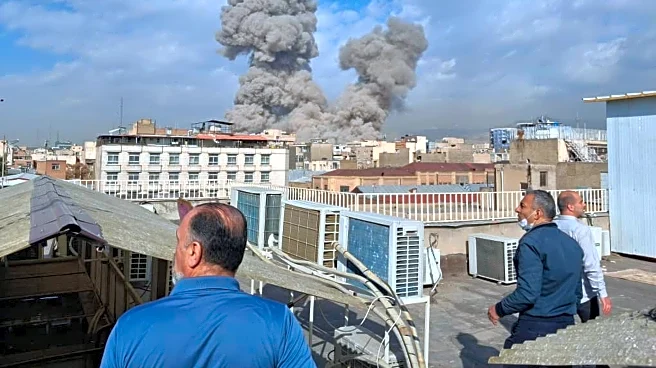
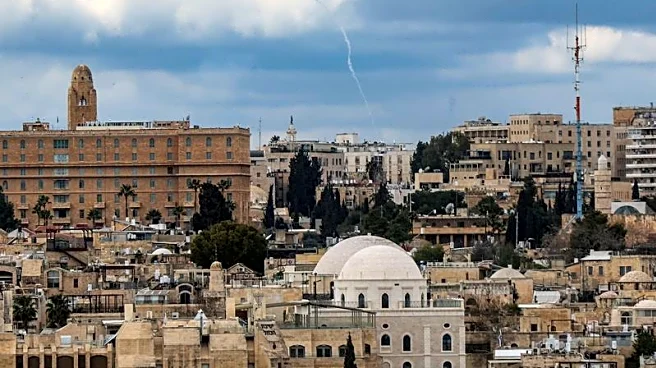
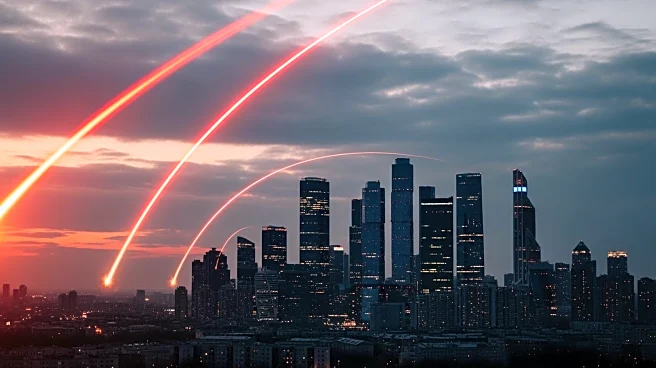
In Tel Aviv, a weekend that began with normal activities such as a marathon and social gatherings was abruptly interrupted by missile alerts. The city, known for its vibrant lifestyle, turned into a ghost town as residents sought shelter. The alerts were
part of a broader conflict involving Iran, which has heightened tensions in the region. Residents, including tourists and locals, were forced to take cover in safe rooms, highlighting the fragile nature of normal life in the city. The situation was exacerbated by the lack of recent missile alerts, which caught many off guard, leading to a scramble for safety.
Why It's Important?
The missile alerts in Tel Aviv underscore the ongoing volatility in the region, particularly between Israel and Iran. This incident highlights the constant threat faced by civilians in conflict zones and the impact on daily life. For the U.S., this situation is significant as it involves key geopolitical allies and could influence U.S. foreign policy and military strategy in the Middle East. The disruption of normal life in Tel Aviv also serves as a reminder of the broader implications of regional conflicts on global security and economic stability.
What's Next?
As tensions continue to rise, further military engagements or diplomatic efforts could unfold. The international community, including the U.S., may need to engage in diplomatic interventions to de-escalate the situation. Additionally, there could be increased security measures in Tel Aviv and other parts of Israel to protect civilians. The ongoing conflict may also prompt discussions on regional security and defense strategies among global powers.