



What's Happening?
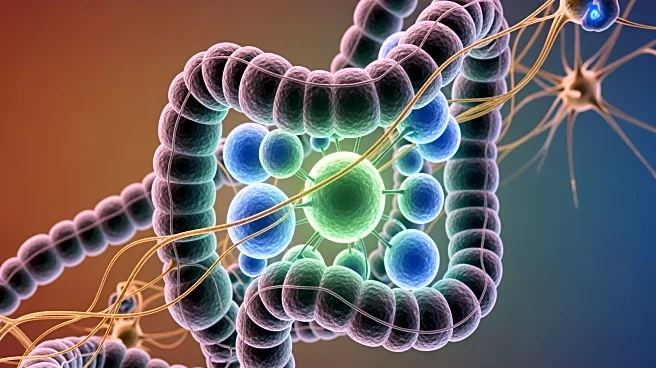
Recent research has highlighted the role of gut bacteria in producing ammonia, which in turn restores acetylcholine neurotransmission and improves bowel motility. This study, published in Nature, explores how the gut microbiota influences the enteric
nervous system (ENS) and intestinal motility. The findings suggest that ammonia produced by gut bacteria can modulate neurotransmitter pathways, offering potential therapeutic avenues for gastrointestinal disorders. The research underscores the complex interactions between gut microbiota and host physiology, emphasizing the importance of microbial metabolites in maintaining intestinal health.
Why It's Important?
The implications of this research are significant for the medical and scientific communities, particularly in the field of gastroenterology. Understanding the role of gut bacteria in neurotransmission could lead to new treatments for conditions like irritable bowel syndrome (IBS) and other motility disorders. By targeting the microbiota or its metabolic products, such as ammonia, healthcare providers might develop non-invasive therapies that improve patient outcomes. This research also contributes to the broader understanding of the gut-brain axis, highlighting the potential for microbiome-based interventions in neurological and gastrointestinal health.