







What's Happening?
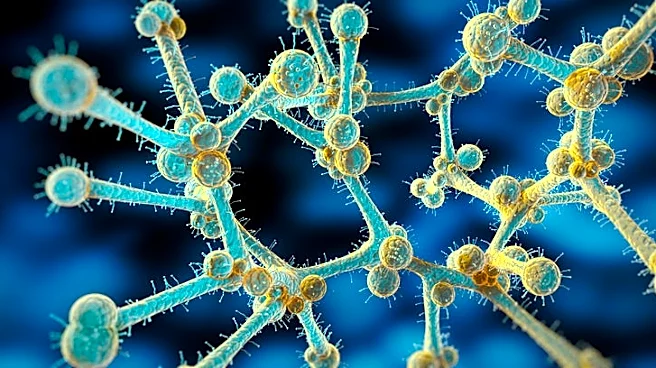
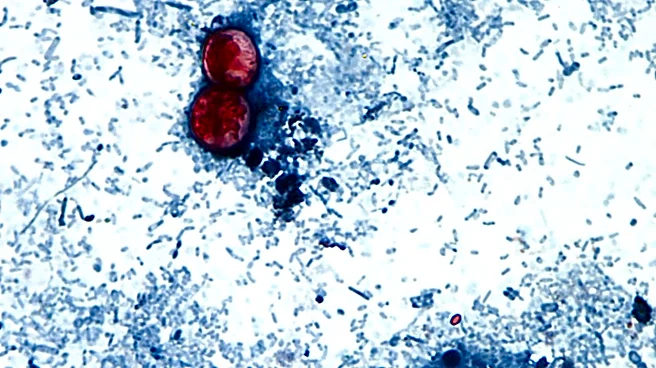
In 2026, Louisiana has reported nine cases of Vibrio vulnificus, a flesh-eating bacterium, resulting in five deaths. The Louisiana Department of Health confirmed that all patients had underlying health conditions and were hospitalized after their wounds
were exposed to seawater. Vibrio vulnificus is most prevalent in warm coastal waters from May to October. The bacterium can infect individuals through open wounds exposed to brackish or salt water or by consuming raw or undercooked seafood, particularly oysters. The Centers for Disease Control and Prevention (CDC) notes that about one in five people infected with Vibrio vulnificus die, and the infection can lead to severe complications, including amputations.
Why It's Important?
The increase in Vibrio vulnificus cases in Louisiana highlights the growing public health concern associated with climate change, as rising water temperatures expand the bacterium's habitat. This poses a significant risk to individuals with preexisting health conditions, such as cancer, liver disease, and those undergoing immune-suppressing treatments. The economic impact on local seafood industries could be substantial, as public fear may reduce seafood consumption, particularly oysters. Additionally, healthcare systems may face increased pressure due to the need for intensive care and potential amputations for severe cases.
What's Next?
Health officials are likely to continue monitoring coastal water temperatures and Vibrio vulnificus levels to issue timely warnings. Public health campaigns may intensify to educate at-risk populations about preventive measures, such as avoiding exposure to brackish water and ensuring seafood is thoroughly cooked. The state may also collaborate with environmental agencies to address the broader implications of climate change on public health.