





What's Happening?
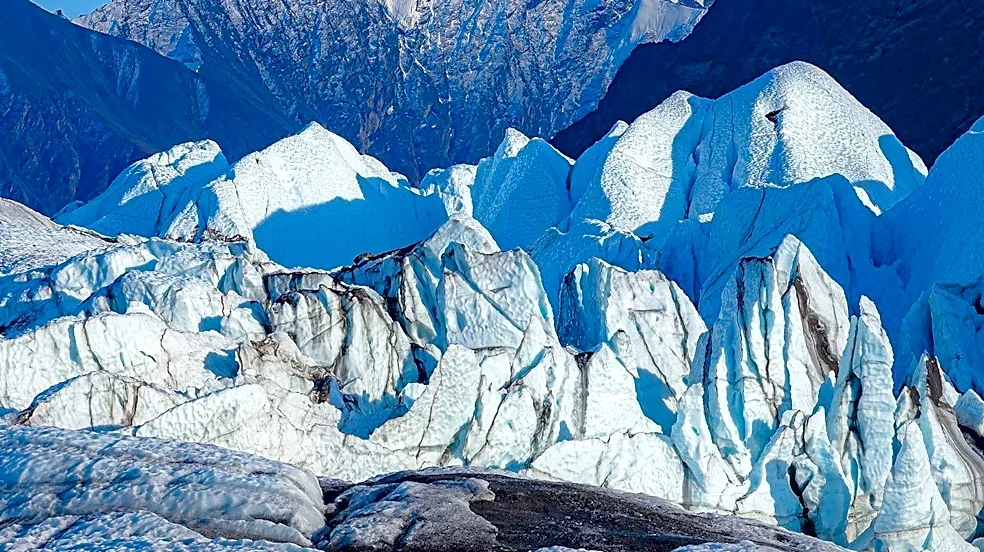
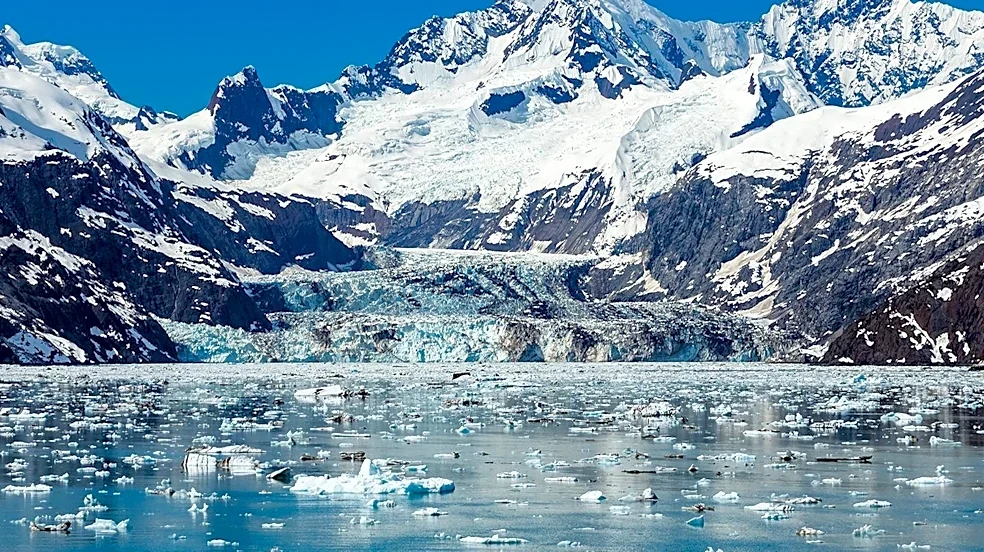
Matanuska Glacier, a prominent glacier in Alaska, provides various viewing opportunities, including options that do not require extensive hiking or guided tours. Located about 100 miles from Anchorage, this 27-mile-long glacier with a four-mile-wide terminus
is easily accessible from the Glenn Highway, a National Scenic Byway. Visitors can observe the glacier from the Matanuska Glacier State Recreation Site at Mile 101, which offers facilities like toilets, picnic areas, and interpretive displays, along with viewpoints near the parking area. Another option is the Matanuska Glacier Scenic Turnout at Mile 103, providing the closest roadside view. While these public viewpoints allow for free or low-cost viewing, direct access onto the glacier itself requires a guided tour through a private access area. The recreation site does not offer direct access to the ice, despite its apparent proximity. The glacier's visibility from the highway makes it a popular roadside attraction, allowing for appreciation of its scale and the surrounding landscape.
Why It's Important?
The accessibility of Matanuska Glacier is significant for tourism in Alaska, offering a unique natural experience to a broader range of visitors, including families with young children, older individuals, or those with limited mobility. Unlike many other large Alaskan glaciers that necessitate cruises, flights, or backcountry trips, Matanuska Glacier's roadside visibility makes it a convenient and affordable destination. This ease of access supports local economies through increased visitor traffic, even for those who choose not to pay for guided tours. The availability of public viewing points, such as the State Recreation Site and scenic turnouts, democratizes access to natural wonders, allowing more people to witness the grandeur of a glacier without the physical demands or financial commitment of a full expedition. This also highlights the importance of maintaining public infrastructure, like state recreation sites and scenic byways, for promoting tourism and public engagement with natural landscapes.
What's Next?
Visitors planning to see Matanuska Glacier can choose between various viewing experiences. For those seeking a quick stop, the scenic turnout offers the closest roadside view. A more relaxed visit can be had at the State Recreation Site, which provides amenities and a short nature walk. Combining both stops is recommended for a comprehensive view. For individuals desiring to walk on the ice, guided tours are available year-round, with options ranging from family-friendly excursions to more extensive treks. It is crucial for visitors to understand that public viewing areas do not provide access to the glacier's surface, and guided tours are mandatory for stepping onto the ice. Travelers should also consider the season, as summer offers long daylight hours and clear views, while winter viewing depends on road and weather conditions, with some facilities potentially closed.
Beyond the Headlines
The ease of access to Matanuska Glacier raises broader questions about the balance between tourism development and environmental preservation in sensitive natural areas. While accessibility boosts visitor numbers and economic activity, it also necessitates careful management to prevent environmental degradation. The distinction between public viewing areas and private guided access points highlights a common challenge in managing popular natural attractions: how to provide diverse experiences while controlling impact. Furthermore, the glacier's visibility from a major highway serves as a constant, tangible reminder of the dynamic nature of glacial landscapes, potentially fostering greater public awareness and appreciation for these natural phenomena. The availability of both distant scenic views and close-up guided experiences caters to different levels of engagement, from casual observation to immersive exploration, reflecting varied public interests in natural wonders.