






What's Happening?
South Sudan is preparing to host the South Sudan Oil & Power (SSOP) 2026 conference from November 24–25 in Juba. This event aims to connect government officials, financiers, project developers, and technology providers to foster investment across the country's
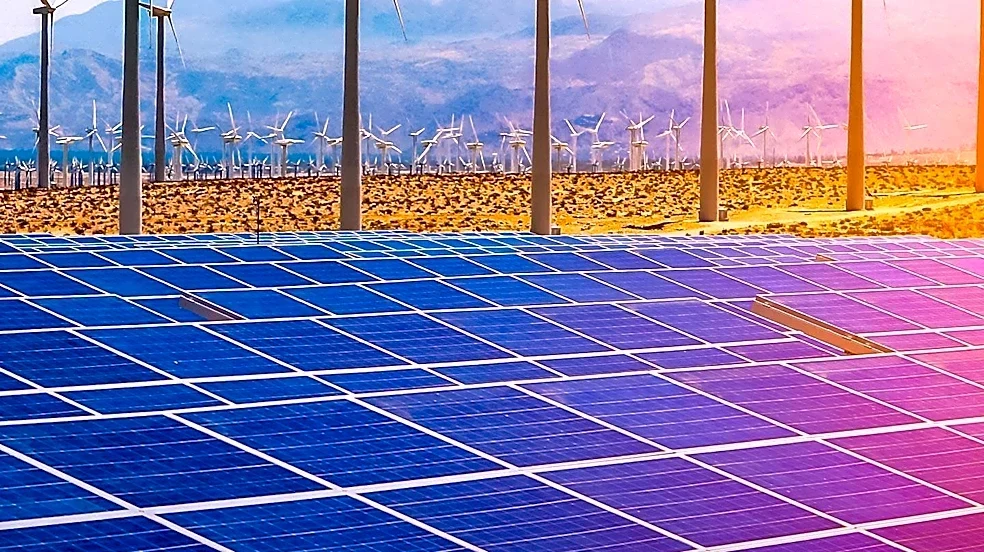
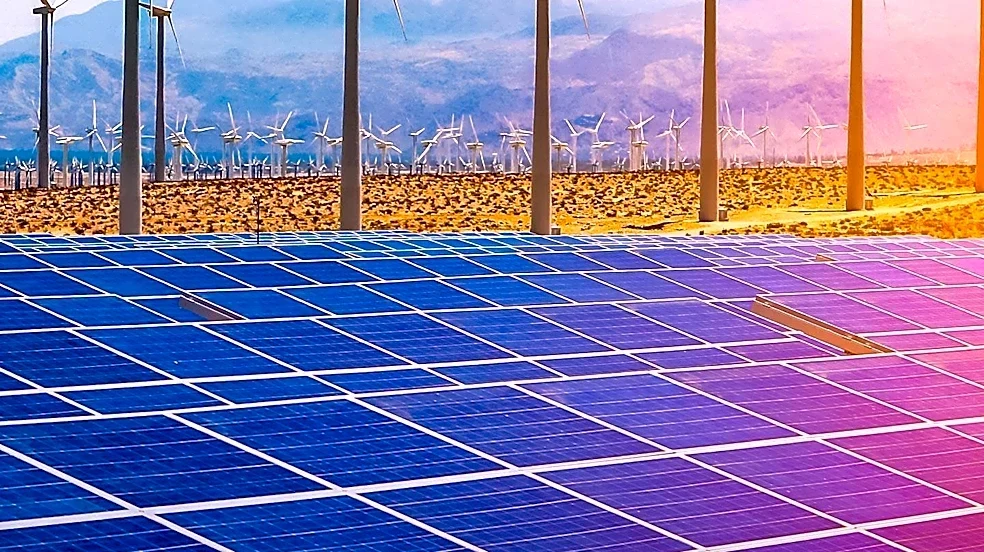
generation, transmission, and decentralized power infrastructure. The nation is actively pursuing an expansion of electricity access, particularly through decentralized solar power projects, to address one of Africa's lowest electrification rates. Efforts include supporting solar systems for telecommunications, public infrastructure, and community services. International partners, such as the United Nations Development Program and Egypt, are already contributing to this expansion, with initiatives like solar-powered groundwater stations and calls for proposals for solar energy support in youth centers. Private sector involvement is also evident, with telecommunications operator MTN South Sudan integrating hybrid solar setups to reduce diesel fuel costs and improve network coverage.
Why It's Important?
The SSOP 2026 conference is crucial for South Sudan's economic development and energy security. By attracting foreign investment in its oil, gas, and power sectors, the country seeks to expand energy access, which is a fundamental driver for economic growth and improved living standards. The focus on decentralized solar solutions is particularly significant, as it offers a viable pathway to electrify remote areas where traditional grid infrastructure is limited. This approach can reduce reliance on fossil fuels, lower operational costs for businesses like telecommunication providers, and support essential services such as water supply and community facilities. Successful investment and project implementation could lead to job creation, technological transfer, and enhanced infrastructure, ultimately improving the quality of life for a significant portion of the population and fostering a more resilient energy landscape.
What's Next?
The SSOP 2026 conference will serve as a platform for South Sudanese policymakers, utilities, investors, financiers, and technology providers to discuss the country's investment requirements. The event, themed “Resource Renaissance – Energy-Fueled Growth for a New Generation,” will explore opportunities across the oil, gas, and power sectors. Following the conference, it is expected that new partnerships and investment commitments will emerge, leading to the development and implementation of various energy projects. The continued rollout of initiatives like the Communication & Renewable Energy Infrastructure (CREI) program, supported by debt facilities from entities like Cygnum Capital and Norfund, indicates a sustained effort to expand renewable energy and telecommunications infrastructure. The success of these efforts will depend on effective policy implementation, continued international cooperation, and the ability to attract and secure long-term financial commitments.
Beyond the Headlines
The push for decentralized solar power in South Sudan highlights a broader trend in developing nations to leapfrog traditional grid infrastructure and adopt more sustainable and distributed energy solutions. This approach not only addresses immediate energy needs but also contributes to climate resilience and reduces carbon footprints. The involvement of international development programs and private capital underscores the global recognition of the importance of energy access for human development and economic stability. Furthermore, the integration of solar power into essential services like water supply and telecommunications demonstrates a holistic approach to infrastructure development, where energy solutions are intertwined with other critical societal needs. This model could serve as a blueprint for other regions facing similar challenges, emphasizing the potential for renewable energy to drive comprehensive development beyond just electricity provision.