




What's Happening?
U.S. Environmental Protection Agency (EPA) Region 7 recently hosted a discussion panel to spotlight local food waste reduction initiatives in the Heartland, particularly in Kansas City, Missouri. The event, part of EPA’s 'Feed It Onward' initiative, showcased
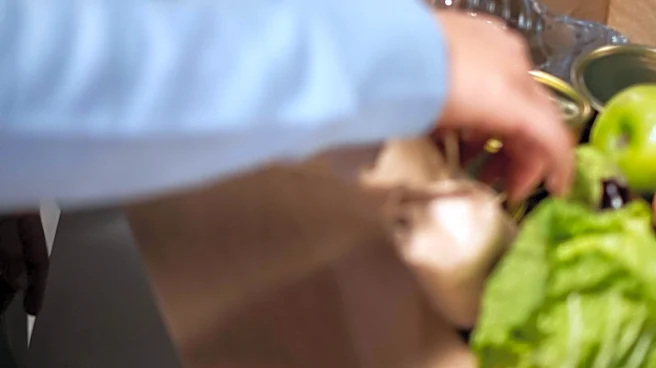
how federal, local, and community partners are collaborating to divert surplus food from landfills. EPA Region 7 Administrator Jim Macy emphasized the importance of these efforts, especially as the holiday season approaches, a period often associated with increased food waste. The city of Kansas City, Missouri, received a nearly $5 million Solid Waste Infrastructure for Recycling (SWIFR) Grant, which is being utilized to expand its organics collection program and foster partnerships with local markets for food rescue and waste diversion. During the panel, partners highlighted significant achievements, including KC Can Compost diverting over 49,000 pounds of compostable material during the summer's World Cup, and Pete's Garden recovering nearly 25,000 pounds of food, providing over 20,000 meals to Kansas City families.
Why It's Important?
Food waste is a significant environmental and social issue in the U.S., contributing to landfill emissions and representing a missed opportunity to feed those in need. The EPA's 'Feed It Onward' initiative and the efforts in Kansas City demonstrate a concerted approach to tackle this problem. The nearly $5 million SWIFR Grant awarded to Kansas City is a substantial investment that will enable the expansion of critical infrastructure for organics collection and the development of robust food rescue programs. This not only reduces the environmental footprint of the city but also addresses food insecurity by redirecting edible surplus food to families. The success stories from the World Cup, where tens of thousands of pounds of material were diverted and meals provided, illustrate the tangible benefits of these partnerships and serve as a model for other communities nationwide.
What's Next?
The expansion of Kansas City's organics collection program and the development of partnerships for food rescue and waste diversion are ongoing initiatives funded by the SWIFR Grant. These programs are expected to continue growing, with the goal of further reducing the amount of food waste sent to landfills and increasing the availability of food for those in need. The EPA Region 7 will likely continue to highlight and support such efforts, encouraging other cities and communities to adopt similar strategies. As the holiday season progresses, public awareness campaigns and community engagement efforts around food waste reduction are also anticipated to gain momentum, building on the successes already achieved by organizations like KC Can Compost and Pete's Garden.
Beyond the Headlines
The initiatives in Kansas City reflect a broader shift towards a circular economy model, where waste is minimized, and resources are reused. Beyond the immediate environmental and social benefits, these programs foster community resilience and innovation. The collaboration between federal agencies like the EPA, local government, and community organizations demonstrates a multi-faceted approach to complex problems. The success of diverting compostable material during large-scale events like the World Cup also highlights the potential for sustainable practices in event management. This integrated approach to food waste management not only addresses immediate needs but also contributes to long-term environmental sustainability and community well-being, setting a precedent for how cities can manage resources more efficiently and ethically.