




What's Happening?
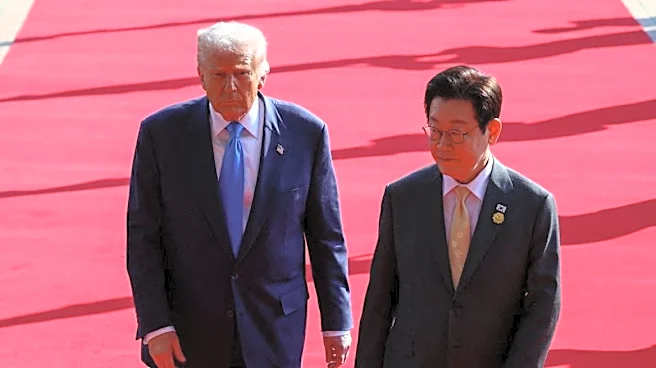
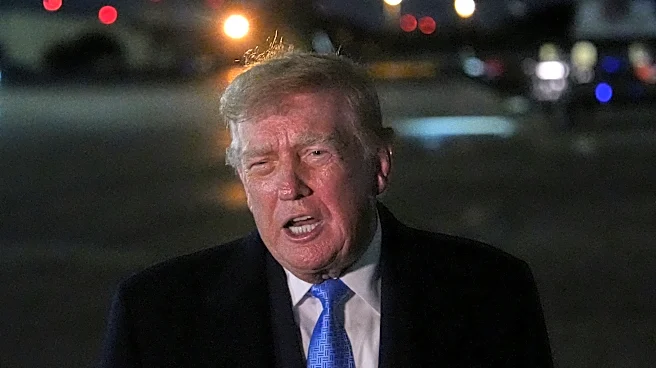
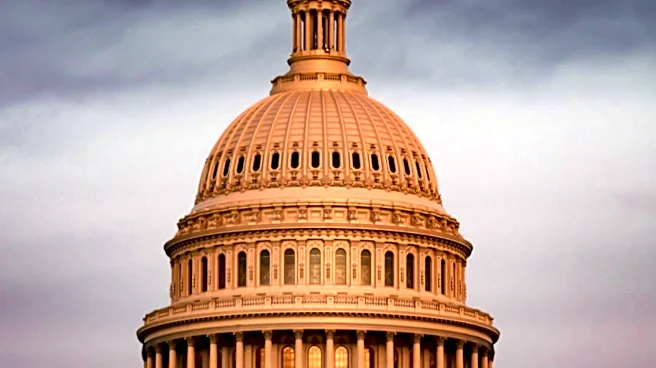
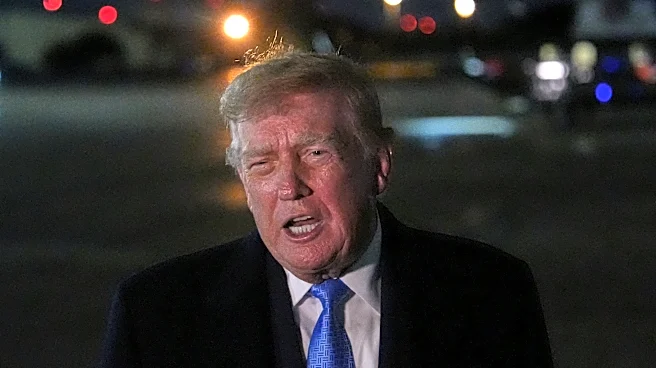
Senator Josh Hawley's legislation to designate America’s National Churchill Museum in Fulton, Missouri, as a National Historic Landmark has unanimously passed the Senate. The bill, which was also sponsored in the House by Rep. Bob Onder, now awaits President
Trump's signature to become law. This marks the first time the legislation has reached the President's desk, despite Senator Hawley having introduced it multiple times since 2024. The museum, located on the Westminster College campus, commemorates Winston Churchill's historic "Iron Curtain" speech delivered there on March 5, 1946, alongside President Harry S. Truman. The legislation directs the Secretary of Interior to officially recognize the museum as a National Historic Landmark and mandates the National Park Service to conduct a Special Resource Study for potential future designations of the site.
Why It's Important?
The designation of America’s National Churchill Museum as a National Historic Landmark is significant for preserving a pivotal site in U.S. and world history. Churchill's "Iron Curtain" speech is widely regarded as a symbolic beginning of the Cold War, making the museum a crucial educational and historical resource. This federal recognition will elevate the museum's status, potentially increasing its visibility, attracting more visitors, and securing additional funding or support for its preservation and programs. For Missouri, it highlights the state's connection to a globally significant historical event and figure. The bipartisan support for this legislation, with both Senator Hawley and Rep. Onder championing the bill, underscores the shared value placed on commemorating historical landmarks that contribute to the national narrative and understanding of international relations during the 20th century.
What's Next?
The bill now proceeds to President Trump's desk for his signature. If signed into law, the Secretary of Interior will be directed to officially establish America’s National Churchill Museum as a National Historic Landmark. Following this, the National Park Service will conduct a Special Resource Study to explore further potential designations for the site, which could lead to additional recognition or protective measures. The museum, which already houses a 17th-century church moved stone-by-stone from London to Westminster College, will likely see increased attention and resources. This designation could also spur local tourism and educational initiatives, further cementing Fulton, Missouri's role as a significant historical destination.
Beyond the Headlines
Beyond the immediate recognition, this designation reflects a broader commitment to preserving sites that embody critical moments in diplomatic and geopolitical history. The "Iron Curtain" speech not only marked a turning point in international relations but also underscored the importance of alliances and ideological divides that shaped the latter half of the 20th century. By elevating the Churchill Museum to a National Historic Landmark, the U.S. government acknowledges the enduring relevance of these historical narratives in understanding contemporary global challenges. This act also serves as a reminder of the power of rhetoric and leadership in times of international tension, offering a space for reflection on past conflicts and the pursuit of peace. The museum's unique origin, involving the physical relocation of a historic church, adds a layer of cultural and architectural significance to its historical importance.