
What's Happening?
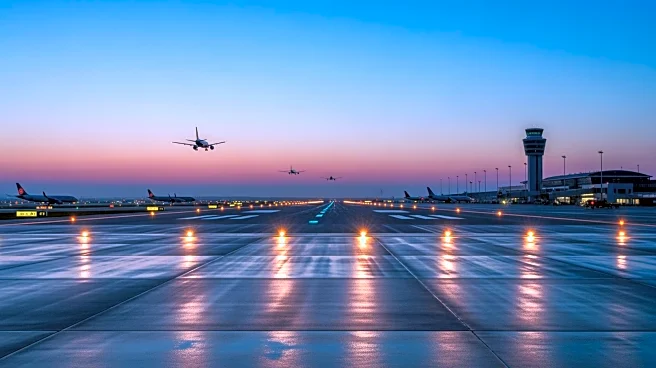
Keflavík International Airport recorded 2.253 million international arrivals in 2025, marking a 0.4% decrease from the previous year. Despite the slight decline, the airport remains Iceland's primary international gateway,
handling the majority of travelers entering the country. The United States was the largest single market, contributing 0.65 million arrivals, or 29% of the total. The UK, Germany, China, and France followed, collectively accounting for 54% of inbound arrivals. Notably, China experienced the fastest growth, with a 29.2% increase in arrivals. Conversely, Poland saw the largest decline, with arrivals dropping by 28% from 2023 to 2025. Tourism leaders in Iceland have expressed concerns about reduced national marketing efforts potentially impacting demand outside peak summer months.
Why It's Important?
The data from Keflavík International Airport highlights significant trends in Iceland's tourism industry, which is a crucial component of the country's economy. The increase in visitors from China suggests a growing interest in Iceland from Asian markets, which could lead to more diversified tourism revenue streams. However, the decline in arrivals from Poland and the overall slight decrease in international arrivals may indicate challenges in maintaining consistent visitor numbers year-round. This situation underscores the importance of strategic marketing and promotion to sustain tourism growth, especially during off-peak seasons. The tourism sector's performance can have wide-ranging effects on related industries, including hospitality, transportation, and retail.
What's Next?
To address the challenges of fluctuating visitor numbers, Iceland's tourism industry may need to enhance its marketing strategies, particularly targeting the autumn, winter, and spring seasons. Renewed investment in international promotion could help stabilize and potentially increase tourist arrivals. Additionally, understanding the factors driving growth from markets like China could inform future marketing campaigns. Stakeholders in the tourism sector, including government agencies and private enterprises, may collaborate to develop initiatives that attract a broader range of international visitors throughout the year.