






What's Happening?
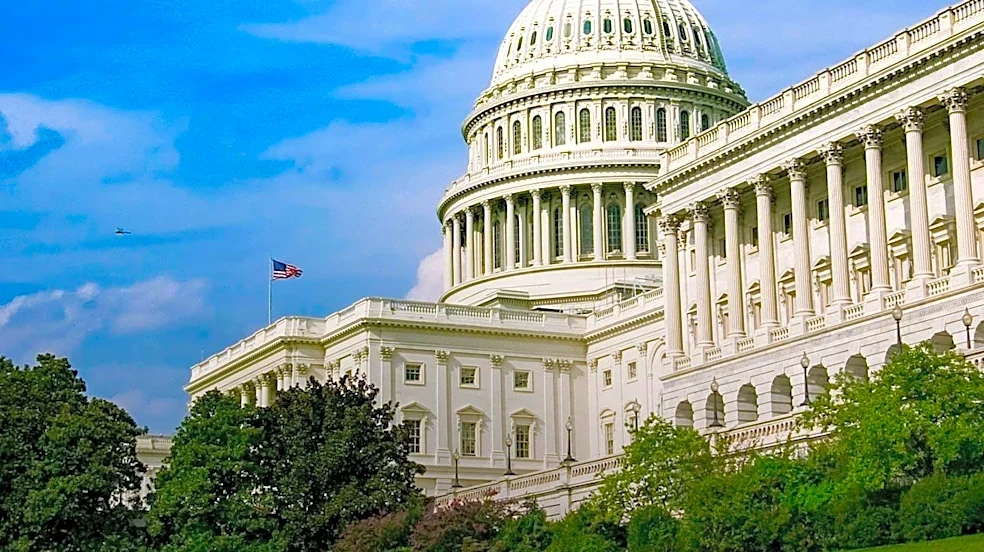
U.S. Senators Martin Heinrich (D-NM) and Bill Cassidy (R-LA) have introduced the Literacy Improvement for Transformation Act (LIFT Act), a bipartisan proposal aimed at helping K-12 public schools nationwide hire full-time reading specialists. The legislation
seeks to establish a competitive federal grant program to support schools in employing at least one certified reading or literacy specialist. The bill, designated Senate Bill 5659, would authorize five-year grants for eligible school districts, state education agency partnerships, nonprofit organizations, tribal schools, and higher education partnerships. Funding from these grants could be used for hiring, training, and retaining reading specialists, including assisting existing educators in obtaining literacy certifications or transitioning to full-time specialist roles. Senator Cassidy emphasized the particular needs of students with dyslexia and other reading difficulties, stating that the legislation would help these students receive necessary instruction. The bill requires specialists supported by grant money to dedicate at least 80% of their working time directly to students and teachers on literacy improvement. Applicants for the grants must demonstrate persistent shortages of reading specialists, document student needs, and outline plans for sustaining these positions after federal funding concludes. The proposal prioritizes states with lower reading proficiency rates, followed by those focusing on elementary education and high-need districts.
Why It's Important?
This bipartisan initiative addresses a critical educational need across the U.S., particularly for students struggling with literacy and those with disabilities like dyslexia. The LIFT Act's focus on providing dedicated reading specialists could significantly improve reading proficiency rates, which are foundational for academic success and future opportunities. By offering federal grants, the bill aims to alleviate financial burdens on school districts, enabling them to invest in specialized literacy support that might otherwise be unattainable. The requirement for specialists to spend a majority of their time directly with students and teachers ensures that the funding directly impacts instructional quality and student outcomes. Endorsements from educators, such as New Mexico Teacher of the Year Nancy L. Orta, and organizations like the National Center for Learning Disabilities, underscore the recognized need for such support. Improved literacy rates can lead to a more skilled workforce, reduced dropout rates, and enhanced civic engagement, benefiting society and the economy in the long term. The bipartisan nature of the bill also signals a potential for broad support and sustained investment in educational infrastructure.
What's Next?
The LIFT Act has been referred to the Senate Health, Education, Labor and Pensions Committee, which Senator Cassidy chairs. For the proposal to become law, it must pass through this committee, receive a vote in both the Senate and the House of Representatives, and then be signed by the President. The introduced text does not yet specify a dollar amount for the proposed grant program, which will be a crucial detail to be determined during the legislative process. If enacted, the implementation would depend on congressional approval, securing adequate funding, and successful grant applications from eligible entities. Schools and educational organizations would then need to apply for these competitive grants, demonstrating their needs and plans for sustaining the specialist positions. The measure follows an earlier version of the LIFT Act introduced by Senator Heinrich in 2024, indicating a continued effort to address this issue. The success of this legislation could lead to a significant shift in how literacy support is structured and funded in public schools nationwide.
Beyond the Headlines
The LIFT Act touches upon deeper implications regarding educational equity and the long-term societal impact of literacy. By targeting students with dyslexia and other reading difficulties, the bill acknowledges the diverse learning needs within the student population and aims to provide tailored support. This initiative could foster a more inclusive educational environment where all students have the opportunity to achieve grade-level reading proficiency. Furthermore, the emphasis on full-time, certified reading specialists highlights a professionalization of literacy instruction, potentially elevating the status and expertise required for this critical role. The bipartisan collaboration on this issue also suggests a recognition across political divides of the fundamental importance of literacy for national development. If successful, this program could serve as a model for addressing other specialized educational needs through federal grant programs, promoting a more comprehensive approach to student support and teacher development. The long-term cultural shift could see a greater societal value placed on early literacy intervention and specialized educational support.