









What's Happening?
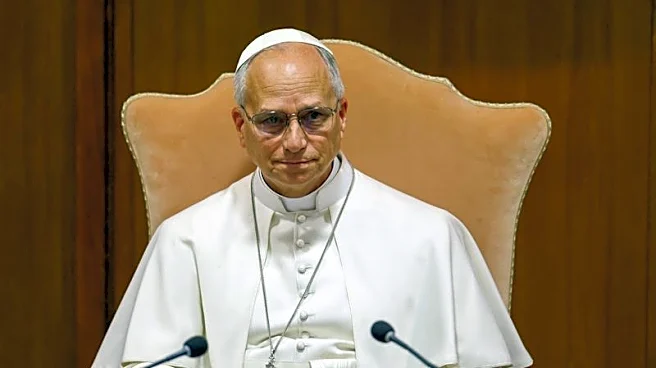
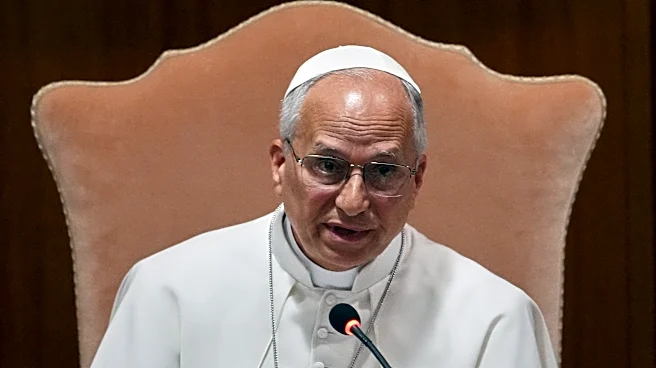
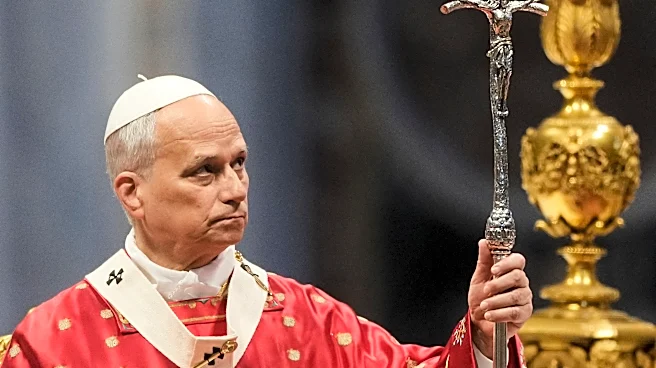
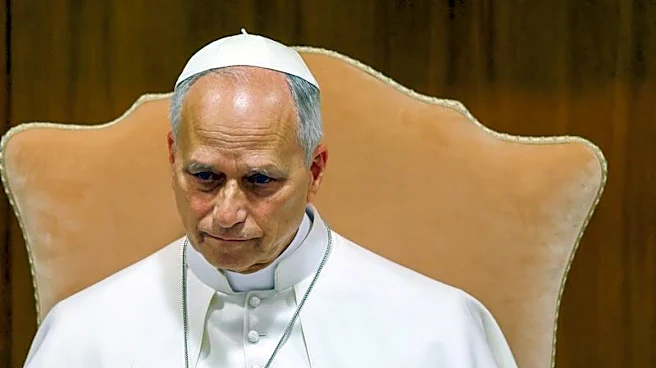
Pope Leo XIV has released a comprehensive manifesto titled 'Magnifica Humanitas,' addressing the profound effects of artificial intelligence on various aspects of human life and society. The document, spanning 83 pages, delves into the challenges AI poses
to democracy, social media, labor, warfare, the economy, human trafficking, the environment, and youth. The Pope highlights the potential for AI to amplify disinformation, weaken democratic processes, and exacerbate social inequalities. He emphasizes the need for digital platforms to prioritize truth and human dignity, and calls for international cooperation to regulate AI's role in warfare and protect civilians. The encyclical also addresses the environmental impact of AI technologies and the risks they pose to young people, urging a collaborative effort among policymakers, educators, and families to mitigate these dangers.
Why It's Important?
The encyclical underscores the Vatican's recognition of AI as a transformative force with significant ethical, social, and economic implications. By addressing AI's role in amplifying disinformation and its potential to disrupt democratic processes, the Pope is highlighting a critical issue that affects global governance and public trust. The call for international frameworks to regulate AI in warfare reflects growing concerns about the ethical use of technology in conflict. Additionally, the emphasis on economic inequality and the environmental impact of AI technologies aligns with broader global discussions on sustainable development and social justice. The document serves as a moral guide for policymakers and tech developers, urging them to consider the human and ethical dimensions of AI advancements.
What's Next?
The encyclical is likely to influence discussions among global leaders, tech companies, and civil society organizations about the ethical use of AI. It may prompt governments to consider new regulations and frameworks to ensure AI technologies are developed and deployed responsibly. The Vatican's stance could also inspire other religious and ethical leaders to engage in the conversation about AI's impact on society. As AI continues to evolve, ongoing dialogue and collaboration among stakeholders will be crucial to address the challenges and opportunities it presents. The Pope's call for sustainable technological solutions may encourage innovation in creating environmentally friendly AI systems.
Beyond the Headlines
The encyclical raises important questions about the balance between technological advancement and ethical responsibility. It challenges society to consider how AI can be harnessed for the common good while minimizing harm. The document also highlights the need for a cultural shift towards valuing truth and human dignity in the digital age. By framing AI as a tool that can either enhance or undermine human values, the Pope is advocating for a more thoughtful and deliberate approach to technology development. This perspective may influence educational curricula, corporate ethics policies, and public discourse on the role of technology in shaping the future.