






What's Happening?
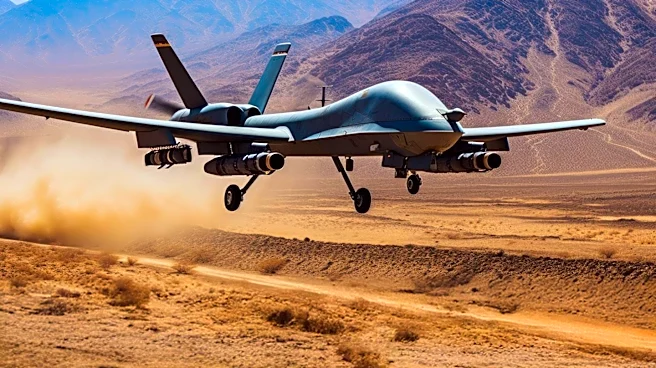
On September 28, a Russian jet-powered drone struck Ukrainian territory approximately 2 kilometers (1.2 miles) from the Dorohusk-Yahodyn border crossing, which is near the Polish border. Polish Defense Minister Władysław Kosiniak-Kamysz confirmed that
the drone did not enter Polish airspace. The strike occurred during a Russian attack on western Ukraine. Polish military personnel observed the impact, and Polish air defense systems and aircraft were on standby. Airports in Lublin and Rzeszow temporarily suspended flights as a precautionary measure. The blast wave from the strike damaged a checkpoint building at the entrance to the terminal in the village of Starovoitove (Yahodyn border crossing) in Ukraine's Volyn Oblast, according to Roman Romaniuk, acting head of the Volyn Regional Military Administration. No injuries or fatalities were reported. After the alert was lifted, Polish aircraft returned to their bases, and air defense systems resumed monitoring.
Why It's Important?
This incident highlights the ongoing risks and tensions along the Ukraine-Poland border due to the conflict in Ukraine. While Polish airspace was not violated, the proximity of the strike underscores the potential for accidental escalation or spillover of the conflict into NATO territory. The temporary suspension of flights at Polish airports and the readiness of air defense systems demonstrate the seriousness with which Poland views such incidents and its commitment to protecting its borders. This event also contributes to the broader narrative of Russia's 'hybrid attacks' against European countries, which include sabotage, disinformation, and cyberattacks, as warned by Polish Prime Minister Donald Tusk. The repeated alerts and disruptions along the border create a new reality for residents and local authorities, necessitating heightened vigilance and preparedness for potential threats.
What's Next?
Poland is expected to continue its heightened vigilance and maintain its air defense readiness along the border with Ukraine. The Polish government may further review and potentially adjust its protocols for responding to incidents near its border, especially given the ongoing conflict in Ukraine. Local communities in border regions will likely remain on alert, and civil defense preparedness efforts may be intensified. The incident could also prompt further discussions and coordination among NATO allies regarding border security and responses to potential incursions or near-misses. The temporary suspension of flights and the deployment of military assets indicate that similar precautionary measures could be taken in the future if further drone activity is detected near Polish airspace.
Beyond the Headlines
The drone strike, despite not violating Polish airspace, deepens the sense of insecurity and anxiety among residents in border communities. The psychological impact of living under the constant threat of conflict spillover is significant, as evidenced by the need for school evacuations and discussions with children about safety. This incident also underscores the challenges of distinguishing between accidental incursions and deliberate provocations in a complex geopolitical environment. The reliance on radar readings for 'positive identification' to authorize shooting down objects, as Poland is considering, reflects a shift in military doctrine driven by the evolving nature of modern warfare, particularly the proliferation of drones. This situation highlights the broader implications for national sovereignty and the delicate balance required to maintain peace while deterring aggression in a region marked by ongoing conflict.