







What's Happening?
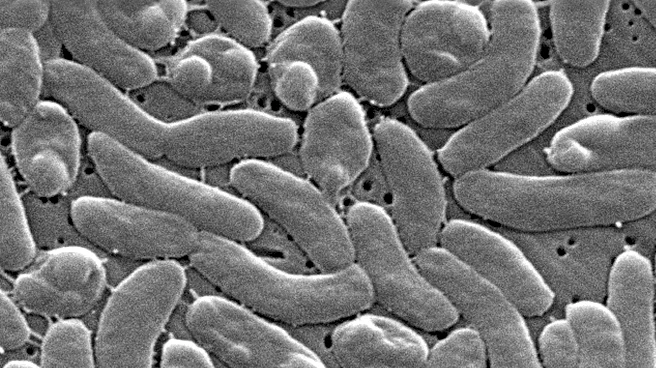
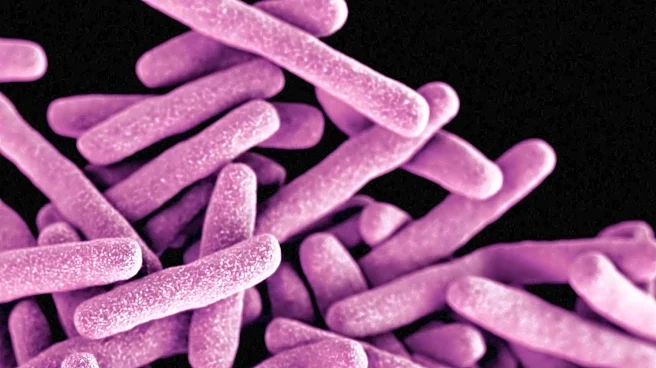
A resident of Marion County, Florida, has died after contracting Vibrio vulnificus, a bacterium commonly found in warm coastal and brackish waters. This marks the second death in Florida attributed to the bacterium in 2026. The Florida Department of Health
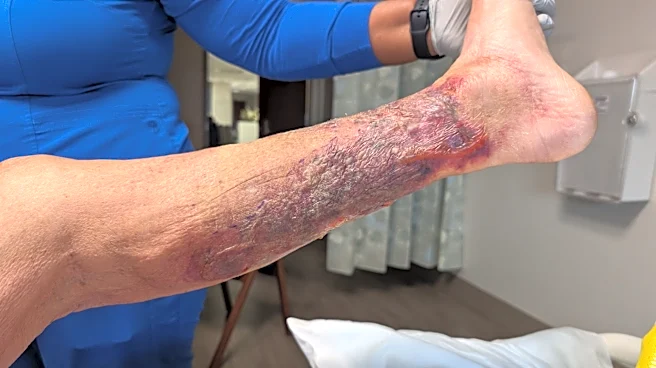
(FDOH) has confirmed 14 cases of Vibrio vulnificus infections this year. The bacterium can infect individuals through the consumption of raw or undercooked shellfish, particularly oysters, or through open wounds exposed to contaminated water. Symptoms of the infection include vomiting, diarrhea, abdominal pain, and in severe cases, septic shock and blistering skin lesions. The FDOH emphasizes that individuals with weakened immune systems, chronic liver disease, or kidney disease are at a higher risk of severe illness. Health officials advise avoiding raw shellfish, thoroughly cooking seafood, and keeping open wounds away from potentially contaminated waters.
Why It's Important?
The occurrence of Vibrio vulnificus infections highlights significant public health concerns, particularly in coastal regions where the bacterium thrives. The high fatality rate associated with bloodstream infections, which can be fatal in about half of the cases, underscores the need for public awareness and preventive measures. The impact is particularly severe for individuals with pre-existing health conditions, who are more susceptible to severe outcomes. The rise in cases, especially following environmental events like hurricanes, suggests a potential link between climate conditions and the spread of the bacterium. This situation calls for increased vigilance and public health initiatives to educate communities about the risks and preventive strategies.
What's Next?
Health officials are likely to continue monitoring the situation closely, especially as warmer temperatures persist, which can facilitate the growth of Vibrio bacteria. Public health campaigns may be intensified to raise awareness about the risks associated with consuming raw shellfish and exposing open wounds to coastal waters. There may also be increased efforts to study the environmental factors contributing to the spread of Vibrio vulnificus, particularly in the context of climate change and its impact on coastal ecosystems. The FDOH may also collaborate with local governments to implement measures that can mitigate the risk of infection in vulnerable communities.